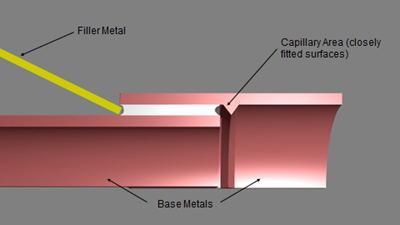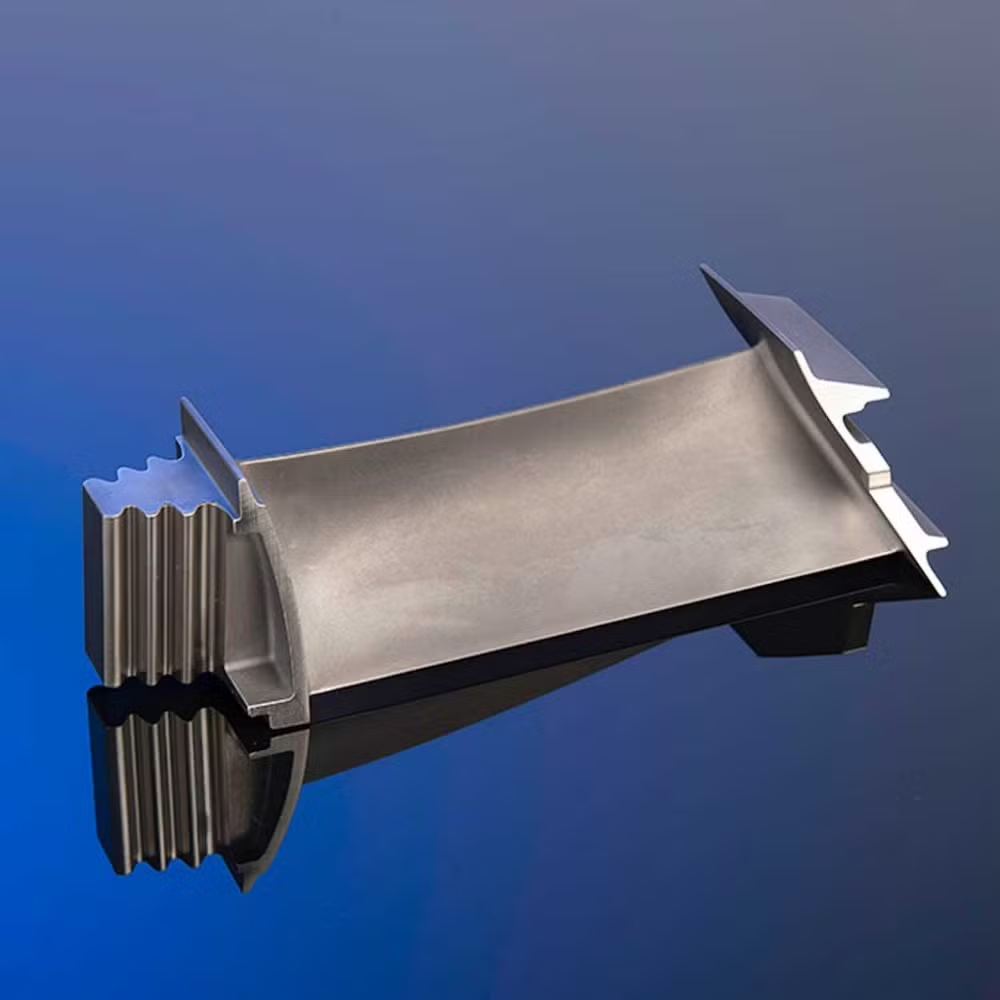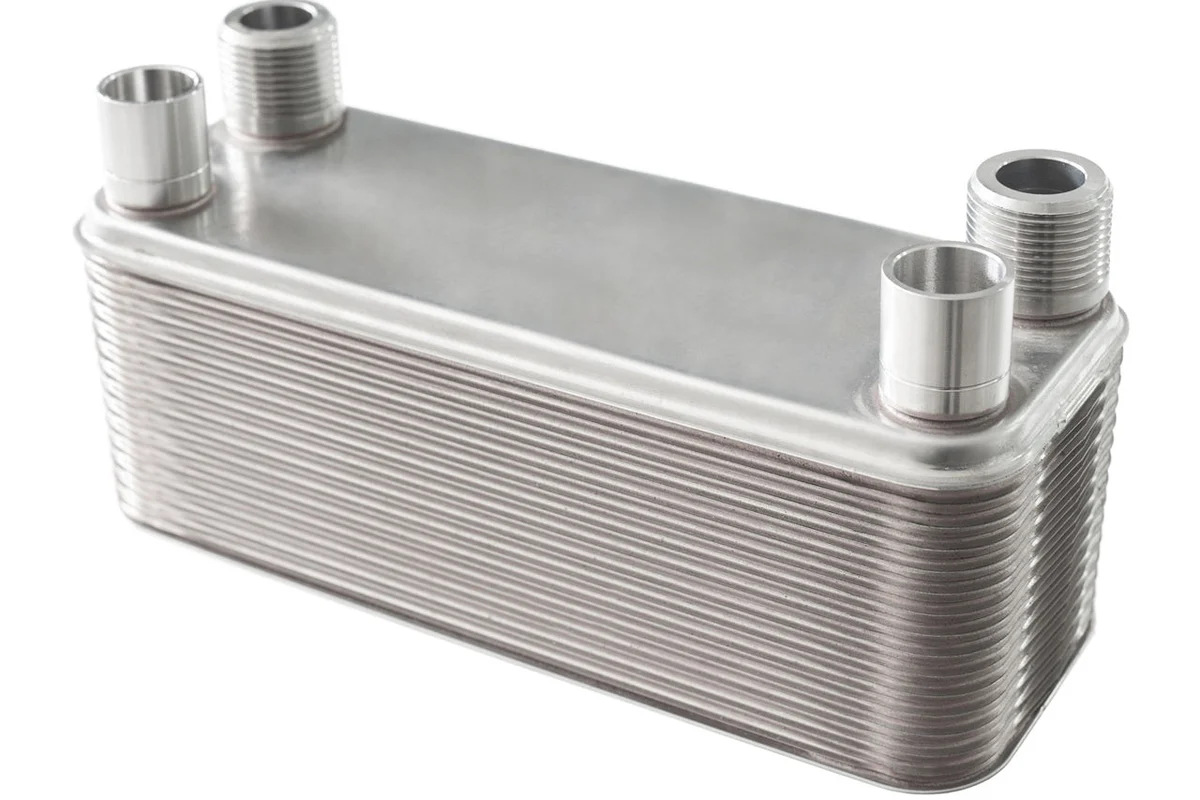










Brazing aluminum to steel is a joining process that creates a strong and durable bond between the two metals. This process involves heating the metals to a temperature high enough to melt the filler metal, which is then drawn into the joint by capillary action. The result is a joint that is both mechanically and metallurgically sound, with excellent corrosion resistance and good thermal and electrical conductivity.
There are several techniques for brazing aluminum to steel, including furnace brazing, torch brazing, and induction brazing. Each technique has its own advantages and disadvantages, depending on the specific application. For example, furnace brazing is ideal for large or complex parts, while torch brazing is better suited for smaller parts or parts with intricate geometries. Induction brazing, on the other hand, is a fast and efficient process that can be used for a wide range of applications.
Regardless of the technique used, there are certain best practices that should be followed when brazing aluminum to steel. These include cleaning the parts thoroughly, using the right filler metal, and ensuring that the joint is properly aligned and supported during the brazing process. With the right equipment and techniques, brazing aluminum to steel can be a highly effective way to join these two metals and create strong, long-lasting bonds.
Brazing Aluminum to Steel
Brazing aluminum to steel is a challenging process that requires the right techniques, materials, and equipment. This process involves heating the base metals to a temperature above the melting point of the filler metal. The filler metal is then melted and flows into the joint by capillary action, creating a strong and durable joint between the two metals.
Techniques
There are several techniques for brazing aluminum to steel, including furnace brazing, torch brazing, and induction brazing. Furnace brazing is a popular technique that uses a furnace to heat the base metals and filler metal. Torch brazing uses a torch to heat the base metals and filler metal, while induction brazing uses an electromagnetic field to heat the base metals and filler metal.
Materials and Equipment
The materials and equipment required for brazing aluminum to steel include a filler metal, flux, a torch, a wire brush or emery cloth, and safety equipment such as a respirator. The filler metal should be a suitable aluminum brazing alloy that is compatible with both the aluminum and steel base metals. The flux should be a suitable flux for brazing aluminum to steel, such as NOCOLOK® Flux or CsAlF-Complex flux. The torch should be a suitable torch for brazing aluminum to steel, such as a propane or acetylene torch.
Safety Precautions
When brazing aluminum to steel, it is important to take safety precautions to protect yourself and others. Wear safety equipment such as a respirator, gloves, and safety glasses. Ensure that the work area is well-ventilated to prevent the buildup of harmful fumes. Use a wire brush or emery cloth to clean the surfaces of the base metals before brazing. Use clamps to secure the pieces in position and prevent movement during brazing.
In conclusion, brazing aluminum to steel requires the right techniques, materials, and equipment. It is important to take safety precautions to protect yourself and others during the brazing process. By following these guidelines, you can create a strong and durable joint between aluminum and steel base metals.
Techniques
When it comes to brazing aluminum to steel, there are several techniques that can be used depending on the specific application. The most common techniques include torch brazing, furnace brazing, induction brazing, and dip brazing.
Torch Brazing
Torch brazing is a common technique used for small-scale brazing applications. This technique involves using a torch to heat the joint area and then applying a brazing rod or filler metal to the joint. The torch is typically fueled by propane or acetylene, and the heat source can be adjusted to control the brazing temperature. Torch brazing is a versatile technique that can be used to join a variety of metals, including aluminum and steel. However, it can be challenging to achieve a durable joint due to the risk of distortion or warping.
Furnace Brazing
Furnace brazing is a technique that involves heating the joint area in a furnace to a specific temperature and then applying a brazing rod or filler metal to the joint. This technique is commonly used for large-scale brazing applications or when a high degree of precision is required. Furnace brazing is an effective technique for joining dissimilar metals, such as aluminum and steel, and can produce strong, durable joints. However, the process can be time-consuming and may require additional steps, such as coating the joint area with a flux or using bimetallic transition inserts to prevent galvanic corrosion.
Induction Brazing
Induction brazing is a technique that uses electromagnetic induction to heat the joint area and then applies a brazing rod or filler metal to the joint. This technique is commonly used for high-volume production applications and can produce precise, high-quality joints. Induction brazing is particularly effective for joining aluminum and steel due to the high heat input and the ability to control the brazing temperature. However, the process can be expensive and may require additional steps, such as grinding or emery cloth to prepare the joint area.
Dip Brazing
Dip brazing is a technique that involves immersing the joint area in a molten bath of filler metal. This technique is commonly used for complex or irregularly shaped parts and can produce strong, leak-free joints. Dip brazing is particularly effective for joining aluminum and steel due to the capillary action of the filler metal and the ability to control the brazing temperature. However, the process can be challenging to control and may require additional steps, such as mechanical fastening or riveting to ensure the joint strength.
Overall, brazing aluminum to steel can present several challenges due to the differences in melting temperature and the risk of cracks or leaks. However, by using the appropriate brazing technique, filler metal, and flux, it is possible to produce a strong, durable joint that can withstand a variety of applications.
Materials and Equipment
Filler Metals
When brazing aluminum to steel, it is important to use a filler metal that is compatible with both metals. Copper-based filler metals are commonly used for this purpose, as they have good wetting properties and can form a strong bond between the two dissimilar metals. Some examples of copper-based filler metals include BCuP-5, BCuP-6, and BCuP-7.
Fluxes
Fluxes are used to remove any oxide coatings on the surfaces of the metals being brazed and to prevent the formation of new oxides during the brazing process. Silicon-based fluxes are commonly used for brazing aluminum to steel, as they can effectively remove oxide coatings and provide good wetting properties. Some examples of silicon-based fluxes include Al-Sil and Aladdin 3.
Torch and Equipment
A propane torch is typically used for brazing aluminum to steel. The torch should have a flame that is hot enough to melt the filler metal but not so hot that it melts the base metals. It is also important to have equipment such as clamps, a wire brush, and emery cloth for cleaning the surfaces of the metals to be brazed and a respirator for protection against fumes.
Brazing Rods
Brazing rods are used to apply the filler metal to the joint between the aluminum and steel. The filler rod should be compatible with both metals and have a melting temperature that is lower than the melting temperature of the base metals. Some examples of brazing rods that can be used for brazing aluminum to steel include aluminum-silicon filler rods and stainless steel filler rods.
To prepare the surfaces of the metals for brazing, they should be cleaned with a wire brush or emery cloth to remove any dirt, grease, or oxide coatings. The metals should then be clamped together, and the filler metal should be applied to the joint using a torch. The brazed joint should be allowed to cool slowly to prevent cracking.
When brazing aluminum to steel, it is important to use the right materials and equipment to ensure a durable joint between the dissimilar metals. By using compatible filler metals, fluxes, and brazing rods, and by carefully preparing the surfaces of the metals, it is possible to create a strong bond between aluminum and steel that can withstand a variety of stresses and strains.
Safety Precautions
When brazing aluminum to steel, it is important to take proper safety precautions to prevent injuries and accidents. The following sub-sections will outline the necessary protective measures to take during the brazing process.
Respiratory Protection
Brazing produces hazardous fumes and gases that can be harmful to the respiratory system. To prevent inhalation of these harmful substances, it is important to use proper respiratory protection. A properly fitted respirator with the appropriate filter cartridges should be worn at all times during the brazing process. The type of respirator and filter cartridge required will depend on the specific materials being used. It is important to refer to the manufacturer’s safety data sheets (SDS) for guidance on the appropriate respiratory protection.
Eye Protection
Brazing also produces intense light and heat that can cause eye damage. To protect the eyes, a full-face shield or safety glasses with side shields should be worn during the brazing process. The safety glasses should be made of tempered glass or plastic and should meet the ANSI Z87.1 standard for impact resistance.
Skin Protection
Brazing can also cause burns to the skin. To prevent skin burns, it is important to wear protective clothing, such as leather gloves, aprons, and sleeves. Clothing should be made of flame-resistant materials and should cover as much skin as possible. It is also important to remove any flammable materials from the work area to prevent accidental fires.
Fire Safety
Brazing involves the use of an open flame, which can be a fire hazard. To prevent fires, it is important to keep a fire extinguisher nearby and to have a clear plan for what to do in case of a fire. The work area should be free of any flammable materials, and any nearby combustibles should be removed or covered with fire-resistant materials.
In conclusion, taking proper safety precautions during the brazing process is essential to prevent injuries and accidents. Respiratory protection, eye protection, skin protection, and fire safety should all be taken seriously to ensure a safe and successful brazing process.