









Joining stainless steel requires the right approach and materials to create connections that last. Brazing has become a go-to technique for metalworkers because it uses lower temperatures than welding, which helps prevent warping and damage to the metal’s structure. This makes it particularly valuable when working with stainless steel, a material prized for its ability to resist rust and maintain strength in demanding conditions.
Selecting the right brazing rod for stainless steel determines whether a joint will hold up under pressure and exposure. Different rod types offer distinct advantages depending on the project requirements. Some options work well for beginners without special equipment, while others provide superior strength for high-temperature applications. Understanding which brazing rod works best for specific metals helps ensure professional results whether the work involves repairs, fabrication, or construction projects.
Brazing Rod Basics
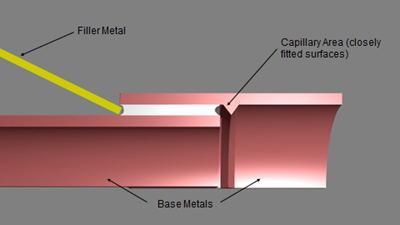
Brazing rods serve as metal fillers that connect two metal pieces together without melting the base materials. These rods come in different materials and formulas designed for specific jobs. The process requires less heat than welding and works well for people without advanced metalworking training.
When working with stainless steel, the rod choice depends on several factors:
- Alloy compatibility with the base metal
- Joint design requirements
- Working conditions and environment
- Application type (HVAC, automotive, or repair work)
Common rod types for stainless steel include nickel-silver, bronze, and stainless steel varieties like ER308L.
Selecting Your Brazing Rod
Picking the right rod requires attention to which metals need joining and how strong the bond must be. Nickel silver rods work well with steel, stainless steel, nickel alloys, copper alloys, cast iron, and tungsten carbide. Copper phosphorous rods fit better for copper, brass, and bronze applications.
Brass rods offer another path for joining stainless steel without welding equipment or special training. These rods provide reliable bonds for many projects.
Silver solder rods present yet another choice. A 56% silver content rod delivers strong results on stainless steel work. The rod type directly affects joint strength and performance, making the selection process important for any brazing task.
Key factors to evaluate:
- Base metal compatibility
- Required joint strength
- Working temperature range
- Corrosion resistance needs
Properties of Brazing Rods
Brazing rods come in different materials, and each one has specific features that affect how well it works. Understanding these features helps you pick the right rod for your job.
Temperature ratings divide brazing rods into three main groups. High-temperature rods can handle the most heat. Medium-temperature rods work in the middle range. Low-temperature rods melt at lower temperatures.
The gap between metal pieces affects joint strength. A joint clearance of .0015 inches (.038mm) creates the strongest bond when using Easy-Flo® filler metal on stainless steel. This specific gap produces a tensile strength of 135,000 psi (930.8 MPa).
Key properties to consider:
- Melting point range
- Tensile strength capacity
- Joint clearance requirements
- Base metal compatibility
Different rod types work with specific base metals and performance needs.
Types of Brazing Rods for Stainless Steel
Several categories of brazing rods work for stainless steel projects, each with distinct properties. The three main categories include rods made with silver, copper, or nickel as the primary component.
Silver-based rods are suitable for stainless steel, brass, and copper applications. These rods create durable connections and resist corrosion well.
Copper-based rods perform effectively with steel and iron-based alloys. They offer good flow characteristics during the brazing process.
Nickel-based rods are recommended specifically for stainless steel work. They provide excellent strength and match the corrosion resistance properties of the base metal.
Silver-Based Brazing Rods
Silver brazing rods contain silver combined with additional metals to create durable joints between different materials. These rods typically include copper, zinc, and tin in their composition.
The silver content provides strong bonds with good resistance to corrosion. High silver brazing rods work well for connecting brass and stainless steel components.
Key Benefits:
- Strong joint formation
- Resists corrosion over time
- Conducts heat efficiently
- Works with multiple metal types
These filler metals for brazing melt at lower temperatures than many alternatives. This protects the base metals from heat damage during the joining process.
Copper-Based Brazing Rods
Copper rods work well with steel and iron-based alloys. These rods join metal pieces together without requiring complex welding gear or advanced skills. Brass rods fall into this category and provide a budget-friendly choice for many projects.
Copper-based brazing rods are effective for joining stainless steel components. They deliver dependable bonds at a lower price point than silver alternatives. The corrosion resistance doesn’t match silver rods, but they handle numerous tasks well.
Nickel-Based Brazing Rods
These rods work well in extreme conditions. They handle high heat and resist rust better than many other options. Nickel-based brazing rods are known for their high-temperature resistance and corrosion resistance, which makes them a solid choice for tough jobs.
The metal mix in these rods includes nickel combined with elements like boron and silicon. This combination creates strong bonds that hold up in harsh settings.
Common uses include:
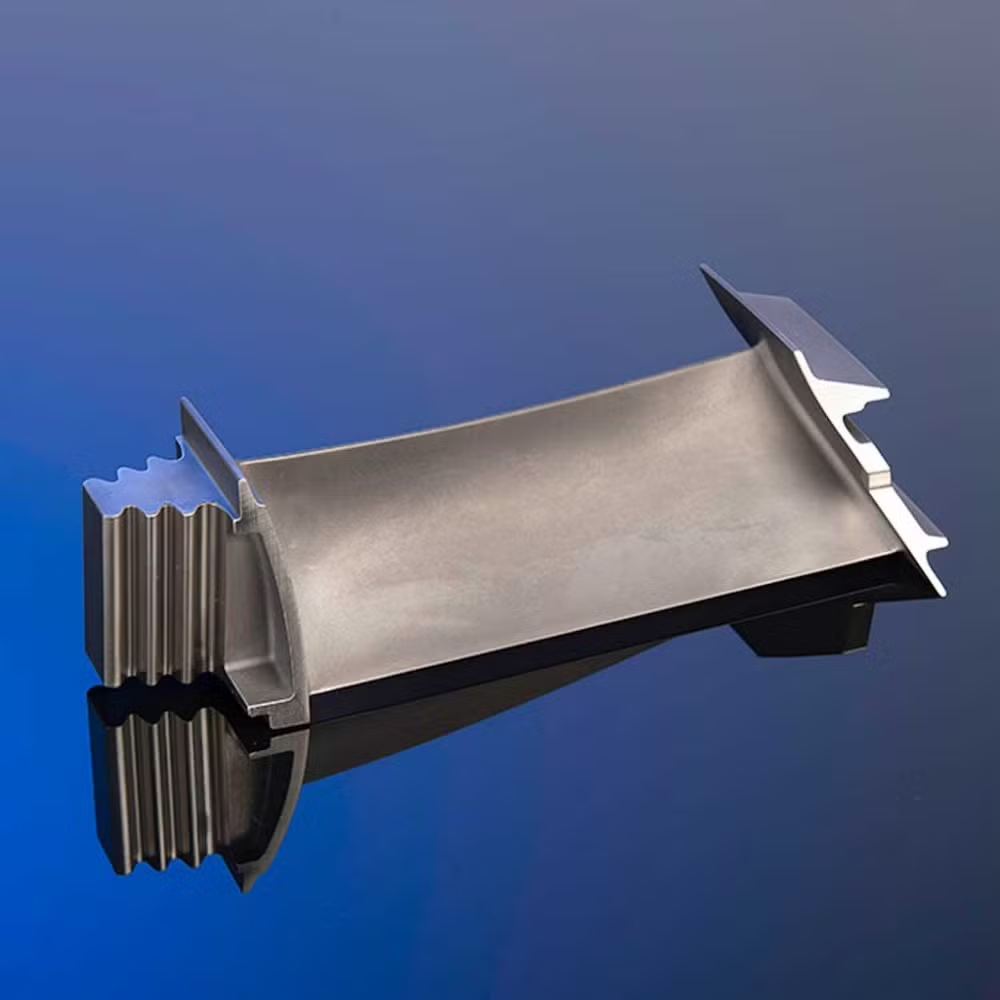
- Aerospace components
- Nuclear industry equipment
- Chemical processing systems
- High-temperature applications
These rods are appropriate for joining heat and corrosion-resistant alloys such as stainless steels, nickel- and cobalt-base alloys. They perform well in vacuum systems too.
What to Think About When Choosing
When picking a brazing rod for stainless steel work, several important points need attention:
- Application needs – The specific job requirements
- Metal matching – How well materials work together
- Price – Budget considerations
- Where to buy – How easy it is to find
Application Requirements
The metal joining project determines which rod works best for the job. Mechanical properties play a major role in this decision. These include how much force the joint can handle, how well it bends without breaking, and whether it resists rust over time.
Operating conditions also affect rod selection. Consider these factors:
- Temperature levels during use
- Pressure the joint must withstand
- Exposure to chemicals or moisture
The rod choice directly affects how long the connection lasts and how well it performs. Choosing the right brazing rod means matching the material to both the metals being joined and the job’s demands.
Material Compatibility
Selecting a brazing rod requires careful attention to how well it works with the metals being joined. The rod must match both the stainless steel and any additional metals in the assembly. Poor matches can create weak connections or cause problems during heating.
Brazing allows joining stainless steel to dissimilar metals like brass, copper, or aluminum that would be difficult to weld together. Material compatibility and joint design influence rod choice significantly.
Key factors to evaluate:
- Base metal composition
- Additional metals in the joint
- Operating temperature requirements
- Required joint strength
Stainless steel requires verification that the brazing rod is compatible with the specific steel grade being used. Different alloys react differently to heat and bonding processes.
Price and Access
Finding the right brazing rod means thinking about what it costs and how easy it is to buy. Some rods work better for certain jobs but carry higher price tags or are harder to find at local suppliers. Weighing performance against budget matters when making a purchase decision. The goal is to pick a rod that handles the job well without spending more than necessary. Brazing rods come in various materials and compositions tailored to different needs. Many retailers stock common options, while specialty rods may require ordering online or through industrial suppliers.
Safety Precautions
Workers must wear proper protective gear before starting any brazing work. Required equipment includes gloves that resist heat, eye protection, and clothing made from flame-resistant fabric covering arms and legs. Leather boots provide additional protection for feet.
Proper ventilation is essential during brazing operations. The process creates toxic fumes that can harm workers who breathe them in. A respirator or fume extraction system may be needed when adequate air circulation is not available.
The work area must stay clean and clear of materials that can catch fire. A functional fire extinguisher should be placed within easy reach before beginning work.
Equipment inspection is a critical step before heating any metal. The torch, fuel lines, and all safety devices must be checked for damage or wear. Faulty equipment can cause injuries or failed joints.
Each brazing rod type has specific handling requirements. Workers should read the instructions that come with their materials to understand any special procedures. Different brazing rods may require unique safety steps based on their composition.
Following these protective measures reduces the risk of burns, respiratory problems, and fire hazards during the brazing process.
Final Thoughts on Rod Selection
Picking the right rod requires attention to several key factors. Temperature requirements, the specific brazing method, and the type of filler metal all play important roles in achieving quality results.
Silver-based alloys work well for most stainless steel projects when working at lower temperatures. These rods typically need flux when used in open air environments.
Brass rods offer a practical alternative that doesn’t demand welding equipment or advanced skills. This makes them accessible for various applications.
The best rods contain specific elements that boost performance:
- Silver
- Gold
- Nickel
These elements help joints resist corrosion and maintain strength over time.
Each project has unique needs based on the metals being joined and the joint’s intended use. Selecting brazing rods for stainless steel requires evaluating alloy composition, carbon content, and compatibility with flux materials. Understanding these requirements helps metalworkers choose rods that deliver reliable, long-lasting connections for their specific applications.