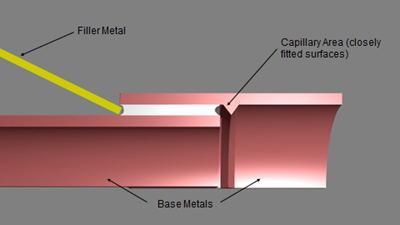










Brazing is a metal-joining process that involves melting filler metal and flowing it between the base metals to create a strong bond. Choosing the best gas for brazing is essential to ensure a successful and efficient process. Different types of gases can be used for brazing, but the most suitable one depends on the materials being joined and the specific application.
Some of the most common gases used for brazing include acetylene, propane, natural gas, and MAPP gas. When brazing aluminum, argon or helium is typically used. Factors such as flame temperature, cost, and availability play a role in determining the best gas for a given brazing process.
Knowing the properties of each gas and how they affect the brazing process is crucial for choosing the right one. For example, acetylene produces a high-temperature flame that is suitable for many applications, while propane is a more affordable and accessible option but may not provide the necessary temperature for certain materials. Ultimately, understanding the specific requirements of your brazing project will help you select the best gas for the job.
The Brazing Process
Brazing is a metal-joining process that involves heating two metal pieces and using a filler metal with a melting point lower than that of the base metals to join them. This method creates strong, leak-proof, and corrosion-resistant joints, making it ideal for various industries, such as plumbing, automotive, and HVAC.
Brazing Techniques
There are several brazing techniques that can be employed, depending on the specific requirements of the job. These include:
- Torch Brazing: This is the most common technique, which uses a torch to heat the base metals and filler metal. It is suitable for small scale projects and allows for easy control of the heat source.
- Furnace Brazing: In furnace brazing, components are placed in a furnace, and the entire assembly is heated to a uniform temperature. This technique is suitable for large quantities of parts and ensures consistent brazing quality.
- Induction Brazing: This technique uses electromagnetic induction to generate heat in the base metals, resulting in rapid heating and reduced oxidation. It is commonly used for joining pipes and tubes in the HVAC industry.
- Resistance Brazing: Resistance brazing uses the heat generated by electrical resistance to join metals. This process is particularly useful for joining dissimilar metals and offers precise heat control.
Brazing Materials
The choice of brazing materials greatly affects the quality and strength of the joint. The most common filler metals are silver-based alloys, copper-based alloys, and aluminum-based alloys. Each has its specific advantages and applications:
| Filler Metal | Advantages | Applications |
| Silver-Based Alloys | High strength, good corrosion resistance, excellent flow characteristics | Electronic components, aerospace, and medical industries |
| Copper-Based Alloys | High electrical and thermal conductivity, good ductility, strong joints | Plumbing, HVAC, automotive, and electrical industries |
| Aluminum-Based Alloys | Low melting point, lightweight, corrosion-resistant | Transportation, aerospace, automotive, and construction industries |
For brazing, the type of gas used can affect the quality of the joint and vary the heat source’s effectiveness. Common gases for brazing include acetylene, propane, and natural gas, each with their benefits and limitations.

Fuel Gas Options
Brazing requires an effective heat source capable of reaching the required high temperatures. This section explores different fuel gas options and their benefits in a brazing application.
Oxy-Acetylene
Oxy-acetylene is a popular choice for brazing due to its high flame temperature and versatility. It is a mixture of acetylene (C2H2) and oxygen, producing a flame that can reach temperatures up to 5,500°F, making it ideal for high strength brazing applications. Additionally, acetylene produces very low moisture levels, making it suitable for preheating, welding, or brazing in high-strength applications.
Oxy-Propane
Oxy-propane is another option that combines propane (C3H8) and oxygen. Although its flame temperature is lower than oxy-acetylene at around 4,500°F, oxy-propane is cost-effective and widely available. This fuel gas mixture is useful for brazing applications that do not require extremely high temperatures.
Oxy-Propylene
Similar to oxy-propane, oxy-propylene is a mixture of propylene and oxygen. The flame temperature of oxy-propylene is slightly higher than oxy-propane, reaching approximately 5,200°F. Oxy-propylene provides a versatile and efficient heat source for a variety of brazing applications.
Air-Fuel
The air-fuel method typically involves the use of a fuel gas, such as propane or MAPP, combined with compressed air or ambient air. TF/ULTRA GAS™ is an example of a fuel gas suitable for air-fuel brazing. This gas mixture is primarily used for heating, soldering, and brazing applications. Although air-fuel methods may not reach as high temperatures as oxy-fuel options, they can still be effective for specific applications and budget-conscious projects.
Comparison of Fuel Gases
Temperature and Heat Output
Various fuel gases can be used for brazing, with some differences in temperature and heat output. Acetylene is the most popular fuel gas used in gas welding and produces a high temperature flame. It can be used in combination with oxygen for torch brazing (Carbide Processors). Other fuel gases, like propane, natural gas, and MAPP gas, can be used for brazing as well, but they may not provide the same level of heat intensity as acetylene (chroniclesdengen.com).
Cost and Availability
Acetylene is often considered the most effective fuel gas for brazing due to its high heat output. However, it can be more expensive than alternative fuel gases such as propane, natural gas, or MAPP gas (Workshop Insider). These alternative gases may be more easily accessible and less costly in certain situations, making them a practical option for some brazing applications.
Safety Concerns
While acetylene is a popular choice for its high heat output, it can pose some safety risks. Acetylene is highly flammable and can explode when combined with oxygen in certain concentrations. To mitigate this risk, proper storage, handling, and use of acetylene are crucial (American Welding Society). Other fuel gases like propane, natural gas, and MAPP gas are also flammable but may have lower explosion risks compared to acetylene. However, it is important to follow proper safety precautions and procedures with any fuel gas used in brazing.
Selecting the Best Gas for Brazing
Choosing the right gas for brazing applications is essential to ensure quality and efficiency. The selection process should consider three critical factors: material compatibility, job requirements, and operator preferences.
Material Compatibility
Materials used for brazing, including the base metals and filler metals, must be compatible with the chosen gas. Certain gases work better with specific materials, helping achieve better joint quality and corrosion resistance. For example, selecting filler metals with silver, gold, or palladium improves corrosion resistance for the joint (Lucas Milhaupt).
Job Requirements
Project specifics, such as types of materials and the desired bonding strength, also play a significant role in determining the appropriate gas for brazing. Some popular gases include acetylene, MAPP, natural gas, and propane, each offering varying properties and benefits (Muggy Weld). Below is a summary of their key characteristics:
| Gas Type | Properties |
| Acetylene (C2H2) | Highly reactive, produces high flame temperature, and enables quick heating |
| MAPP Gas | Stable, safer than acetylene, and suitable for a wide range of materials |
| Natural Gas (CH4) | Lower flame temperature, suitable for less demanding applications |
| Propane (C3H8) | Cost-effective, widely available, and appropriate for heating large areas |
Choosing the right gas depends on the specific requirements of the job, such as the materials used, working temperatures, and the preferred flame properties.
Operator Preferences
Lastly, the operator’s experience and preference play a role in selecting the best gas for brazing. Factors to consider include ease of use, availability, and familiarity with a particular gas type. Ultimately, the operator’s confidence and techniques will impact the outcome and quality of the brazed joint.
Practical Tips and Best Practices
Proper Gas Handling
Choosing the right gas for brazing is essential for a successful joint. Mapp gas is widely recommended for brazing copper due to its high temperature capability and ease of use (ThePipingMart Blog). When handling any brazing gas, follow these guidelines:
- Always store gas cylinders upright and secure them to prevent accidents.
- Use a pressure regulator to control gas flow and pressure.
- Inspect hoses and connections for damage and leaks before use.
- Ensure proper ventilation in the brazing area to prevent the accumulation of harmful gases.
Equipment and Setup
To achieve the best results in brazing, proper equipment and setup are crucial. Here are some tips:
- Select the appropriate torch tip size based on the material and joint type.
- Prioritize cleanliness by removing surface oxides from the copper before brazing.
- Use flux to improve metal wetting and promote adhesion between the brazing filler material and the base metal.
- Employ clamps or fixtures to maintain joint alignment during the brazing process.
Preventing Common Issues
To prevent common brazing issues, be mindful of the following:
- Heat the base metals evenly, focusing the heat on the joint to minimize distortion and ensure proper filler metal flow.
- Allow nitrogen gas to flow through the system during the brazing process, as this helps prevent oxidation and scale formation (RSES).
- Avoid overheating or prolonged exposure to heat, which can lead to weakened joints and damage to components.
- Let the joint cool naturally to prevent thermal shock and post-brazing defects.