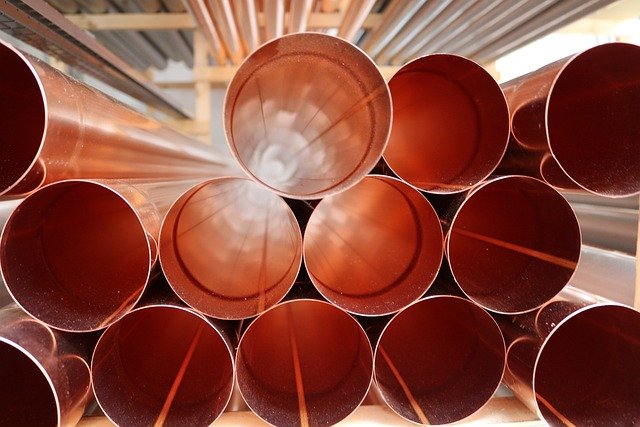
Copper tubing is an essential element in various residential, commercial, and industrial applications due to its durability, corrosion resistance, and efficient heat transfer capabilities. The diverse range of applications requires different types of copper tubing, each suited for specific purposes.
There are four main types of copper tubing, which are distinguished by their wall thickness, flexibility, and use cases. These types are Type K, Type L, Type M, and DWV (Drain, Waste, Vent). Understanding the unique characteristics of each type will help you make an informed decision when selecting the appropriate tubing for your project.
Types of Copper Tubing
Copper tubing is a popular choice for plumbing, heating, and cooling applications due to its durability and excellent thermal conductivity. There are four main types of copper tubing, each designated for specific purposes and identified by their wall thickness and color markings.

Type K
Type K copper tubing features the thickest walls and is commonly used for underground service lines, such as water mains. It is highly resistant to corrosion and external pressure, making it ideal for long-term installations. Type K copper pipe is identified by its green markings.
Type L
Type L copper tubing has slightly thinner walls than Type K and is commonly used for indoor potable water supply, hot water, and HVAC systems. It is suitable for both residential and commercial applications. Type L copper pipe can be found as hard pipes or flexible rolls and is identified by its blue markings.
Type M
Type M copper tubing has the thinnest walls among the three main types and is primarily used for residential water supply lines. It is suitable for “in-the-wall” household plumbing and provides sufficient durability for most indoor plumbing applications. Type M copper pipe is identified by its red markings.
Type DWV
Type DWV (Drain, Waste, and Vent) copper tubing is specifically designed for non-pressurized applications, such as in drain systems or vent pipes. Its wall thickness varies depending on the size of the pipe and the application requirements. Type DWV copper pipe is often identified by its yellow markings.
Copper Tubing Applications
Copper tubing is a versatile material used in a range of industries and applications. This section explores the primary applications of copper tubing, including plumbing, HVAC, refrigeration, and other uses.
Plumbing
One of the most common uses for copper tubing is plumbing. Thanks to its durability, corrosion resistance, and ability to handle high pressure, copper is a popular choice for water supply lines, drain pipes, and waste systems. The various types of copper tubing, such as Type K, L, and M, offer different wall thicknesses suitable for different plumbing applications.
HVAC
Copper tubing is an integral component in HVAC systems, primarily for its excellent heat transfer properties. It is commonly used as refrigerant lines for air conditioning systems and as heating pipes in radiant floor heating installations. Flexible Type L copper is often used in these applications, as it provides the necessary durability and flexibility for installation.
Refrigeration
In refrigeration systems, copper tubing is used for its thermal conductivity and corrosion resistance. Copper tubes are used in applications such as ice makers, refrigerators, and freezer systems. The combination of strength and malleability makes copper an ideal choice for manufacturing evaporator and condenser coils in refrigeration systems.
Other Uses
Aside from the primary applications mentioned above, copper tubing is also used in a variety of other industries and applications:
- Gas lines: Copper tubes are utilized as gas lines in natural gas and propane systems due to their ability to contain gas under pressure.
- Electrical grounding: Copper’s high electrical conductivity makes it ideal for grounding applications in electrical systems.
- Art and architecture: Copper tubing is widely used in sculpture and building design for its aesthetic appeal and ability to withstand the elements.
In summary, copper tubing is a versatile material that plays an essential role in various industries and applications, from plumbing and HVAC to refrigeration and beyond.
Choosing the Right Copper Tubing
When selecting the appropriate type of copper tubing for your plumbing needs, there are several factors to consider, including pressure rating, corrosion resistance, and ease of installation. It’s important to choose the right type to ensure the longevity and efficiency of your water supply and drainage systems.
Pressure Rating
Pressure rating refers to how much pressure a specific type of copper tubing can withstand without risking leaks or breaks. Different types of copper tubing have varying pressure ratings, which makes some more suitable for certain applications than others:
- Type K: Ideal for main water or underground lines, this type has the thickest walls and the highest pressure rating.
- Type L: Suitable for interior water supply lines, this type has slightly thinner walls but still offers a high pressure rating.
- Type M: Typically used for branch plumbing lines, this type has thinner walls and a lower pressure rating than Type K and Type L.
Corrosion Resistance
Copper is known for its corrosion resistance, but some types of copper tubing stand up better against corrosion than others. While all types offer some resistance, it’s essential to consider the environment in which the tubing will be used to determine the necessary level of corrosion resistance. In general, thicker-walled copper tubes, such as Type K and Type L, have better resistance to corrosion than thinner-walled tubes like Type M.
Ease of Installation
The ease of installation is an essential factor when selecting copper tubing, especially for DIY projects. Softer copper tubes, like Soft Copper, can be more easily bent and manipulated, making them ideal for tight spaces and complex installations. Rigid copper tubes, on the other hand, require specialized tools and techniques to install. When considering ease of installation, it’s crucial to weigh factors such as tube flexibility, type of connection (flare, compression, or press), and the skill level required to achieve a proper fit.
Copper Tubing Standards and Certifications
In the copper tubing industry, multiple standards and certifications exist to ensure that the tubes meet specific requirements for quality, size, and performance. These standards are essential in defining the properties of different types of copper tubing and how they can be applied across various industries such as plumbing, air-conditioning, and heating.
All copper tubing supplied to specifications described by the American Society for Testing and Materials (ASTM) standards is required to have a minimum of 99.9 percent pure copper. The most commonly used copper for tubing is deoxidized with phosphorus and referred to as UNS C12200 or DHP 1 Copper. However, other types of copper may also be used.
Standard copper tubing types include:
- Type K: Heavy wall, suitable for underground service lines and high-pressure applications.
- Type L: Medium wall, commonly used for water service lines and general plumbing.
- Type M: Light wall, mostly used for residential plumbing and heating applications.
- Type DWV (drain, waste, and vent): Thin wall, specifically designed for non-pressurized applications.
These types of copper tubing are typically manufactured with copper alloy C12200, which has a chemical composition of at least 99.9% Copper (Cu) and Silver (Ag) combined, with a maximum allowable range of Phosphorous (P) between 0.015% to 0.040% as described. Seamless copper water tubes can be manufactured in sizes ranging from ¼” through 12″ nominal.
Each type of copper tubing has its strengths and limitations, making it essential to choose the right type for specific installations and applications. Ensuring that copper tubing meets industry standards and certifications is crucial in delivering high-quality and reliable performance.
Conclusion
In conclusion, there are several types of copper tubing available for various applications. The main types include Types L, K, M, and DMV. Type L is thinner and commonly used for water supply and pressure applications, while Type K is thicker and used for underground services such as water distribution and gas lines. Type M is thinner yet and used for low-pressure applications, and DMV is used for above ground drains and vent plumbing.
Additionally, copper tubing can be categorized as hard drawn or soft drawn, with hard drawn tubing being more durable and suitable for plumbing applications requiring strong joints. Copper tubing is a popular choice for plumbing, heating, and cooling systems due to its long-lasting nature and minimum 99.9 percent copper content, as specified by ASTM International. To summarize, understanding the different types of copper tubing is essential for selecting the appropriate type for a specific project or application. By choosing the correct tubing, durability and efficiency can be ensured, making copper tubing a reliable and versatile material for many uses.