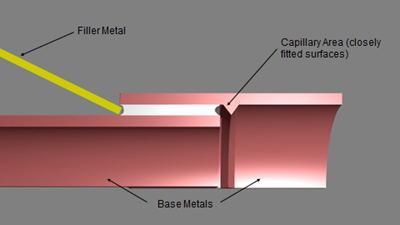










Aluminum brazing rods are an essential tool for welding aluminum. They are used to join two pieces of aluminum together by melting the rod and allowing it to flow into the joint, creating a strong bond. The rods are made of aluminum and are coated with a flux that helps to clean the surface of the aluminum and prevent oxidation during the welding process.
When choosing an aluminum brazing rod, it is important to consider the type of aluminum being welded and the temperature at which the welding will take place. Different types of aluminum require different types of brazing rods, and the temperature of the welding process can have a significant impact on the strength of the bond. Some aluminum brazing rods can be used at lower temperatures, while others require higher temperatures to achieve a strong bond.
Overall, aluminum brazing rods are an important tool for anyone working with aluminum. By choosing the right rod and using proper welding techniques, it is possible to create strong, long-lasting bonds between pieces of aluminum.
What is Aluminum Brazing Rod?
Aluminum brazing rod is a type of filler metal used to join aluminum pieces together through the brazing process. Brazing is a metal joining process where two or more metals are joined together by heating them to a temperature below the melting point of the base metal and above the melting point of the filler metal.
Aluminum brazing rods are made of aluminum and other metals such as silicon or zinc, which are added to improve the flow and wetting characteristics of the filler metal. They come in different diameters and lengths, and their composition and size depend on the type of aluminum alloy being brazed, the joint design, and the application.
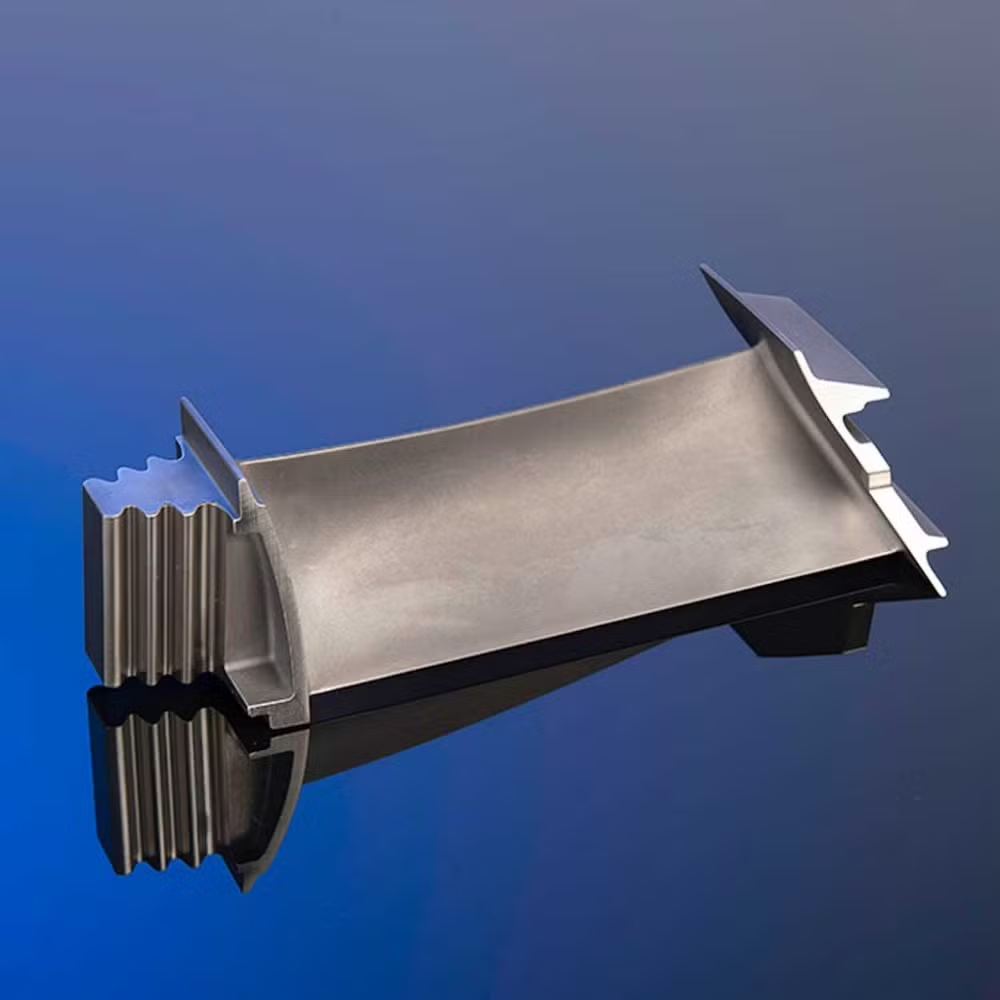
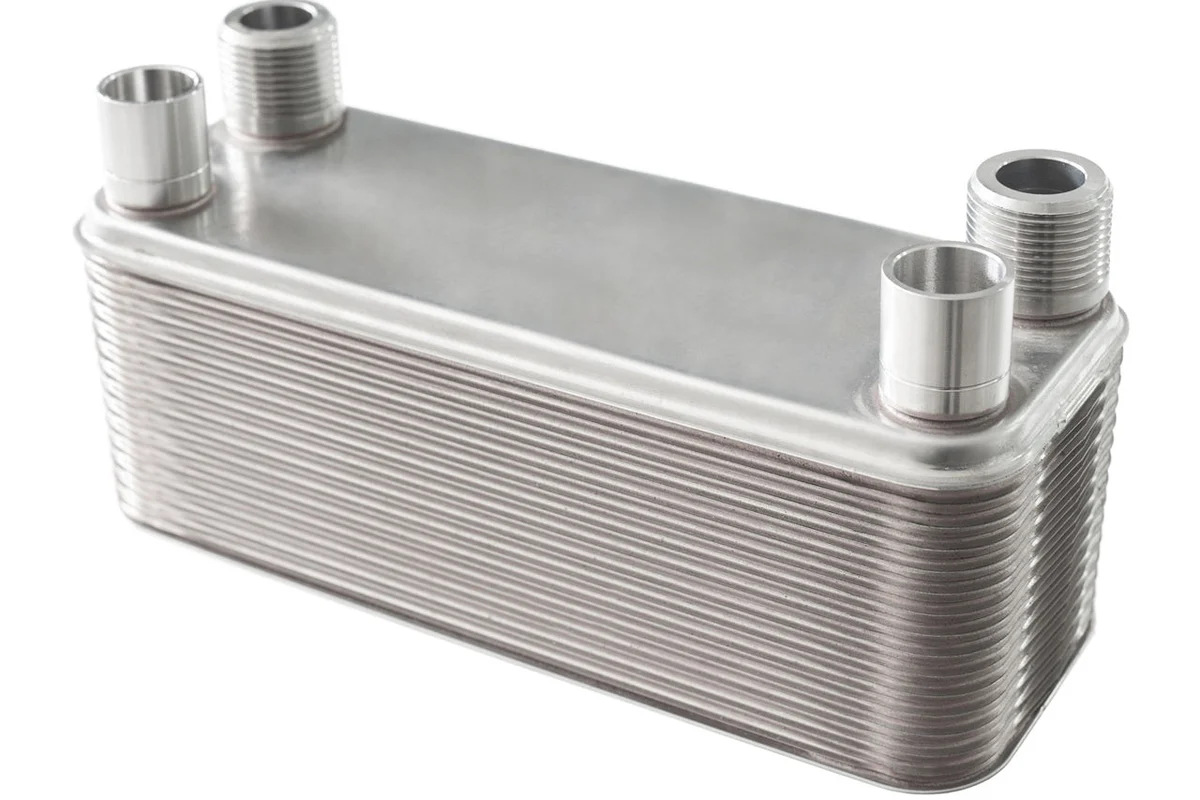
Aluminum brazing rods are used in a variety of applications such as automotive, aerospace, HVAC, electrical, and plumbing industries. They are used to join aluminum components such as heat exchangers, radiators, condensers, evaporators, air conditioning systems, and electrical connections.
The choice of the right aluminum brazing rod depends on the type of aluminum alloy being brazed, the joint design, and the application. For instance, aluminum brazing rods with a high silicon content are used for brazing aluminum-silicon alloys, while aluminum brazing rods with a low silicon content are used for brazing aluminum-magnesium alloys.
In summary, aluminum brazing rod is a type of filler metal used to join aluminum pieces together through the brazing process. It is made of aluminum and other metals such as silicon or zinc, and its composition and size depend on the type of aluminum alloy being brazed, the joint design, and the application.
Advantages of Using Aluminum Brazing Rod
Aluminum brazing rods are a popular choice for joining aluminum parts because of their many advantages. Here are some of the benefits of using aluminum brazing rods:
Low Cost of Entry
One of the biggest advantages of aluminum brazing rods is that they are relatively inexpensive compared to other welding methods. This makes them a cost-effective option for small projects or for those who are just starting to learn how to weld.
Versatility
Aluminum brazing rods can be used to join a variety of alloys, including cast aluminum, brass, nickel, and stainless steel. This versatility makes them a popular choice for many different applications, from aluminum boats to automotive repairs.
High Strength
Aluminum brazing rods create strong bonds that are permanent and able to withstand high pressure. This makes them ideal for applications where strength is important, such as in the construction of aircraft or other high-stress environments.
Quick Repair
Aluminum brazing rods can be used to make quick repairs to damaged aluminum parts. Because the rods do not require a high melting point, they can be used with a propane torch or other low-heat source to make repairs on-site.
Easy to Use
Aluminum brazing rods are easy to use and require minimal preparation. They do not require the use of flux or other additives, which makes them a convenient option for novice metalworkers.
Relatively Safe
Aluminum brazing rods are a relatively safe option for joining aluminum parts. They do not produce the same kind of dangerous fumes or smoke that can be generated by other welding methods, such as soldering or welding with a torch.
Overall, aluminum brazing rods offer many advantages over other welding methods. They are a cost-effective, versatile, and easy-to-use option for joining aluminum parts and making quick repairs. With their high strength and ability to create permanent bonds, aluminum brazing rods are a popular choice for many different applications.
Types of Aluminum Brazing Rod
Aluminum brazing rods come in different types, each with unique properties that make them suitable for specific applications. Here are some of the most common types of aluminum brazing rods:
Flux-coated Aluminum Brazing Rods
Flux-coated aluminum brazing rods are designed for use in brazing applications where flux is required. The flux coating on the rod helps to remove oxides and other impurities from the surface of the aluminum, allowing for a strong and clean joint. These rods are available in different diameters, ranging from 1/16 inch to 3/32 inch.
Low-temperature Aluminum Brazing Rods
Low-temperature aluminum brazing rods, such as the Bernzomatic AL3, are designed for use in applications where the aluminum being brazed cannot withstand high temperatures. These rods have a working temperature of 700-750℉, making them ideal for use in aluminum windows, doors, gutters, and siding. They are also suitable for use in HVAC and refrigeration applications.
High-strength Aluminum Brazing Rods
High-strength aluminum brazing rods are designed for use in applications where a strong joint is required. These rods are made from aluminum-silicon alloys and are suitable for use in brazing aluminum alloys such as 1100, 3003, 3004, 5052, 6061, and 6063. They are available in different diameters, ranging from 1/16 inch to 3/32 inch.
Fluxless Aluminum Brazing Rods
Fluxless aluminum brazing rods, such as the Alumite brazing rods, are designed for use in applications where flux cannot be used. These rods are suitable for brazing aluminum, zamak, diecast, and white metals. They have a high strength and high-temperature range of 715-735℉, making them ideal for use in high-stress applications.
In summary, the type of aluminum brazing rod used will depend on the specific application and the properties required of the joint. Whether it’s a low-temperature application, high-stress application, or an application where flux cannot be used, there is a type of aluminum brazing rod that will meet the requirements.
How to Use Aluminum Brazing Rod
Aluminum brazing rod is a popular choice for joining aluminum parts together. Here are the steps to follow when using aluminum brazing rod:
- Clean the surfaces: Before brazing, it is important to clean the surfaces that will be joined. Use a wire brush or emery cloth to scuff the surface of the metal. Then clean the surfaces using soapy water or a degreaser. This will help ensure a strong bond between the aluminum parts.
- Preheat the metal: Preheating the metal will help the aluminum brazing rod melt more easily and create a stronger bond. Use a propane torch or oxy-acetylene torch to preheat the metal to around 400-450 degrees Fahrenheit.
- Apply flux: Apply flux onto both sides of the joint. Flux helps to remove any remaining impurities and prevents oxidation during the brazing process.
- Align the aluminum brazing rod: Align the aluminum brazing rod into place. Make sure it is in the correct position before heating it.
- Heat the aluminum brazing rod: Use the propane torch or oxy-acetylene torch to heat the aluminum brazing rod until it melts into place. The temperature should be around 800 degrees Fahrenheit.
- Allow to cool: Once the aluminum brazing rod has melted and bonded with the metal, allow it to cool. Do not move or disturb the joint until it has fully cooled.
- Clean the joint: After the joint has fully cooled, use a wire brush or sandpaper to clean any excess flux or residue from the joint.
Remember to wear appropriate safety gear, such as gloves and safety goggles, when brazing aluminum. It is also important to work in a well-ventilated area and follow all safety precautions when using a propane torch or oxy-acetylene torch.
Overall, using aluminum brazing rod can be a great way to join aluminum parts together. By following these steps and taking the necessary safety precautions, you can create strong, long-lasting bonds between aluminum parts.
Applications of Aluminum Brazing Rod
Aluminum brazing rods are widely used in various applications that require the joining of aluminum components. Here are some of the common applications of aluminum brazing rod:
1. Irrigation Pipes: Aluminum brazing rods are commonly used to join irrigation pipes. These pipes are used to transport water from one place to another in agricultural fields. The use of aluminum brazing rods ensures that the pipes are strong and leak-free.
2. Blocks: Aluminum blocks are used in various applications, including engine blocks, transmission cases, and cylinder heads. Aluminum brazing rods are used to join these blocks, ensuring that they are strong and durable.
3. Pumps: Aluminum brazing rods are also used to join various components of pumps. These components include the impeller, the volute, and the casing. The use of aluminum brazing rods ensures that the pump is strong and leak-free.
4. Windows and Doors: Aluminum brazing rods are commonly used to join aluminum frames for windows and doors. This ensures that the frames are strong and durable, and the windows and doors are easy to operate.
5. Refrigeration: Aluminum brazing rods are also used in the refrigeration industry. They are used to join various components of refrigeration systems, including the evaporator, condenser, and compressor. The use of aluminum brazing rods ensures that the refrigeration system is strong and leak-free.
In summary, aluminum brazing rods are used in a wide range of applications that require the joining of aluminum components. They are commonly used in irrigation pipes, blocks, pumps, windows, doors, and refrigeration systems. The use of aluminum brazing rods ensures that the components are strong, durable, and leak-free.
Properties of Aluminum Brazing Rod
Aluminum brazing rods are an essential component for joining aluminum parts together. They are made of an aluminum alloy that has a lower melting point than the parts being joined. Here are some of the key properties of aluminum brazing rods:
- Tensile Strength: Aluminum brazing rods have a high tensile strength, which is the maximum stress that a material can withstand before breaking under tension. This is an important property as it ensures the joint remains strong and durable.
- Hardness: Aluminum brazing rods are relatively soft compared to other metals. This property is important as it ensures that the rods can be easily shaped and manipulated to fit the joint.
- Ductility: Aluminum brazing rods are highly ductile, meaning they can be easily stretched or bent without breaking. This property is important as it ensures that the rods can conform to the shape of the joint without cracking.
- Thermal Conductivity: Aluminum brazing rods have a high thermal conductivity, which means they can transfer heat quickly and efficiently. This property is important as it ensures that the rods can melt and flow into the joint, creating a strong bond.
- Residue: Aluminum brazing rods produce minimal residue when melted, which is important as it ensures that the joint remains clean and free from impurities.
- Aluminum Magnesium: Some aluminum brazing rods contain magnesium, which can improve the strength and corrosion resistance of the joint. However, it is important to note that excessive amounts of magnesium can make the joint brittle and prone to cracking.
Overall, aluminum brazing rods are a versatile and reliable component for joining aluminum parts together. Their unique properties make them an essential tool for various industries, including automotive, aerospace, and construction.