









HVAC brazing is an essential process in the installation and repair of air conditioning and refrigeration systems. It involves joining two pieces of copper tubing together using a filler metal that melts at a temperature higher than 840°F. This creates a strong, leak-proof joint that can withstand the high pressures and temperatures of the HVAC system.
Brazing is different from soldering, which uses a lower temperature filler metal to join two pieces of metal together. Brazing is preferred for HVAC systems because it creates a stronger joint that can withstand the stresses of the system. However, brazing requires more skill and experience than soldering, and it is important to use the correct brazing alloy and technique to ensure a successful joint. In addition, proper preparation of the tubing, including cleaning and deburring, is critical to ensure a good joint.
What is HVAC Brazing?
Definition
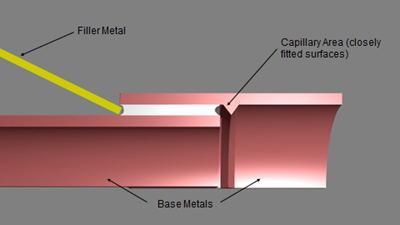
HVAC brazing is a process used to join two pieces of metal, typically copper tubing or steel, together using heat and a filler metal. The filler metal, also known as a brazing rod, is melted and allowed to flow into the joint between the two pieces of metal. The brazing process creates a strong, leak-proof joint that can withstand high temperatures and pressures.
Brazing vs. Soldering
Brazing and soldering are two similar but distinct processes used in HVAC work. The main difference between the two is the temperature at which they are performed. Brazing is performed at a higher temperature than soldering, typically between 1100-1500°F. This higher temperature allows for the filler metal to flow into the joint and create a stronger bond than soldering. Soldering, on the other hand, is performed at a lower temperature, typically between 350-600°F. Soldering is used for smaller joints and is not as strong as brazing.
Another difference between brazing and soldering is the type of filler metal used. Brazing rods typically have a higher silver content than soldering rods, which makes them stronger and more expensive. Brazing also requires the use of flux, which helps to remove any oxides on the metal surface and allows the filler metal to flow more easily.
In summary, HVAC brazing is a process used to join two pieces of metal together using heat and a filler metal. Brazing is stronger than soldering and requires higher temperatures, a filler metal with a higher silver content, and the use of flux.
The Importance of Brazing in HVAC
Brazing is a critical process in HVAC system installation and repair. It is the process of joining two metal parts using a filler metal that melts at a higher temperature than the metal being joined. Brazing is preferred over welding or soldering because it creates a stronger and more durable joint. In this section, we will discuss the importance of brazing in HVAC and how it helps prevent leaks, increase strength, and improve durability.
Leak Prevention
One of the main reasons why brazing is preferred in HVAC is because it provides a leak-free joint. HVAC systems operate under high pressure, and any leaks in the system can cause a drop in performance and efficiency. Brazing creates a tight seal between the two metal parts, preventing any air or refrigerant from escaping. This is especially important in field applications where the system is exposed to vibration and other external forces that can cause the joint to loosen over time.
Strength and Durability
Brazing also provides a stronger and more durable joint compared to other methods. The filler metal used in brazing is stronger than the base metal, creating a joint that can withstand high pressure and temperature. This is particularly important in HVAC systems where the components are exposed to extreme conditions. Brazing also improves the durability of the joint by preventing corrosion and rusting, which can weaken the joint over time.
To ensure a strong and durable joint, HVAC technicians must follow proper brazing techniques. This includes selecting the right filler metal, cleaning the joint thoroughly, and heating the joint evenly to prevent overheating or underheating. Proper training and certification are essential for HVAC technicians to perform brazing correctly and safely.
In conclusion, brazing is an essential process in HVAC system installation and repair. It provides a leak-free joint that can withstand high pressure and temperature, improving the performance and efficiency of the system. HVAC technicians must follow proper brazing techniques to ensure a strong and durable joint that can withstand the harsh conditions of the field.
Brazing Techniques
Brazing techniques are used to join two or more metal components together in HVAC systems. Brazing is the process of heating two metal surfaces and melting a filler metal to join them together. This process requires specific equipment, cleaning, and flux to ensure a strong and reliable joint.
Equipment
Brazing requires specific equipment to melt the filler metal and heat the metal surfaces. HVAC technicians use oxyacetylene torches or turbo torches to heat the metal surfaces. These torches require oxygen and acetylene cylinders to operate. The oxygen cylinder provides oxygen to the torch, while the acetylene cylinder provides fuel for the torch.
Cleaning
Before brazing, it is important to clean the metal surfaces to ensure a strong joint. Any dirt, oil, or debris on the metal surfaces can interfere with the brazing process and weaken the joint. HVAC technicians use a wire brush or sandpaper to clean the metal surfaces. They may also use a chemical cleaner to remove any remaining dirt or debris.
Flux
Flux is used to clean the metal surfaces and prevent oxidation during the brazing process. The flux removes any remaining dirt or debris on the metal surfaces and creates a barrier between the metal and the air to prevent oxidation. HVAC technicians apply the flux to the metal surfaces before heating them with the torch.
Overall, brazing techniques are an essential part of HVAC systems. By using the proper equipment, cleaning the metal surfaces, and applying flux, HVAC technicians can create strong and reliable joints that will withstand the pressure and temperature extremes of HVAC systems.
Factors to Consider in HVAC Brazing
When it comes to HVAC brazing, there are several factors to consider to ensure a successful joint. These factors include temperature and ratio, joint clearance, and base metal.
Temperature and Ratio
Temperature and ratio are two crucial factors in HVAC brazing. The temperature must be high enough to melt the filler metal but not so high that it damages the base metal or causes the filler metal to evaporate. The ratio of filler metal to base metal is also important. Too much filler metal can weaken the joint, while too little can result in an incomplete joint.
Joint Clearance
Joint clearance is the space between the two pieces being joined. The joint clearance must be appropriate for the diameter of the tubing and the thermal expansion of the metals being joined. If the joint clearance is too small, the filler metal may not flow properly, resulting in a weak joint. If the joint clearance is too large, the filler metal may not fill the entire joint, resulting in an incomplete joint.
Base Metal
The base metal being joined is also a crucial factor in HVAC brazing. Copper, steel, and aluminum are commonly used in HVAC systems. Each metal has its own properties that must be taken into consideration when brazing. For example, copper has a high thermal conductivity, which means it requires more heat to reach its liquidus temperature than steel or aluminum.
In conclusion, when it comes to HVAC brazing, temperature and ratio, joint clearance, and base metal are all important factors to consider. By taking these factors into consideration and following best practices, technicians can ensure successful and long-lasting joints in HVAC systems.
Common Brazing Alloys for HVAC
When it comes to HVAC brazing, there are several common alloys that technicians use. These alloys are chosen based on their properties and the specific needs of the job. In this section, we’ll take a look at three of the most common brazing alloys for HVAC: copper-phosphorus combination, silver solder, and brazing alloy.
Copper-Phosphorus Combination
Copper-phosphorus combination brazing alloys are a popular choice for HVAC brazing due to their excellent flow characteristics and high strength. These alloys typically contain between 5-15% phosphorus, which helps to reduce the melting point of the copper and improve its fluidity. This makes it easier for the alloy to flow into tight spaces and create strong bonds.
Copper-phosphorus combination alloys are often used for brazing copper tubing and fittings in HVAC systems. They are also commonly used for brazing aluminum to copper, as the phosphorus helps to prevent the formation of brittle intermetallic compounds.
Silver Solder
Silver solder is another popular choice for HVAC brazing. This alloy typically contains between 1-5% silver and is often used for brazing copper tubing and fittings. Silver solder is known for its excellent strength and durability, making it a reliable choice for HVAC applications.
One of the benefits of silver solder is that it can be used to join dissimilar metals, such as copper and brass. This makes it a versatile option for HVAC technicians who need to join different types of materials.
Brazing Alloy
Brazing alloy is a general term used to describe a range of alloys that are used for brazing. These alloys can contain a variety of metals, including silver, copper, zinc, and nickel. The specific alloy used will depend on the needs of the job.
One of the benefits of brazing alloy is that it can be used for a wide range of applications. It is often used for brazing HVAC components such as compressors, evaporators, and condensers. Brazing alloy is also a good choice for brazing dissimilar metals, as it can create strong bonds between different types of materials.
In conclusion, copper-phosphorus combination, silver solder, and brazing alloy are all common brazing alloys for HVAC. Each alloy has its own unique properties and benefits, making them suitable for different applications. HVAC technicians should choose the alloy that best meets the needs of the job at hand.
Safety Precautions for HVAC Brazing
When it comes to HVAC brazing, safety is of utmost importance. This section will cover some of the key safety precautions that should be taken during HVAC brazing.
Personal Protective Equipment
Before starting any HVAC brazing work, it is important that the technician wears the appropriate personal protective equipment (PPE). This includes safety glasses, gloves, and a respirator. The respirator should be rated for the type of fumes that will be generated during the brazing process. In addition, it is important to wear clothing that covers the skin to prevent exposure to the brazing flame or any chemicals that may be present.
Oxygen and Acetylene Safety
Oxygen and acetylene are commonly used in HVAC brazing. It is important to follow proper safety procedures when using these gases. Oxygen should be stored in a clean, dry, and well-ventilated area away from flammable materials. Acetylene should be stored in a cool, dry, and well-ventilated area away from sources of heat. When using oxygen and acetylene, it is important to follow the manufacturer’s instructions and to use the appropriate regulators and hoses.
Leak Detection
Leak detection is an important part of HVAC brazing safety. Before brazing, it is important to check for leaks in the system. This can be done using a leak detector or by using soap and water to check for bubbles. If a leak is detected, it should be repaired before brazing.
Other Safety Precautions
In addition to the above precautions, there are other safety measures that should be taken during HVAC brazing. These include:
- Using propane instead of acetylene when possible to reduce the risk of lead contamination.
- Using lead-free solder whenever possible to reduce the risk of lead exposure.
- Keeping a fire extinguisher nearby in case of fire.
- Ensuring that the work area is well-ventilated to prevent the buildup of fumes.
By following these safety precautions, HVAC technicians can help ensure that they stay safe while performing brazing work.
Conclusion
In conclusion, HVAC brazing is an important technique used in the heating, ventilation, and air conditioning industry. It involves the joining of metal components using a filler metal that melts at a lower temperature than the base metal. Brazing is preferred over welding and soldering due to its ability to create strong, leak-free joints that can withstand high temperatures and pressures.
The importance of proper brazing techniques cannot be overstated. Using the correct alloy and flux is critical to ensure a successful brazing joint. Brazing alloys come in various compositions, and selecting the appropriate one for the specific application is crucial. Lucas Milhaupt provides a detailed guide on choosing the correct brazing alloy and flux for refrigeration components.
Safety is also a critical aspect of HVAC brazing. Proper ventilation, personal protective equipment, and fire prevention measures must be in place to prevent accidents. NTT Inc. offers a course on advanced HVAC brazing techniques that emphasizes safety.
Overall, HVAC brazing is a technique that requires skill and knowledge to perform correctly. Choosing the correct alloy and flux, following proper safety measures, and using the appropriate techniques are key to ensuring strong, leak-free joints.