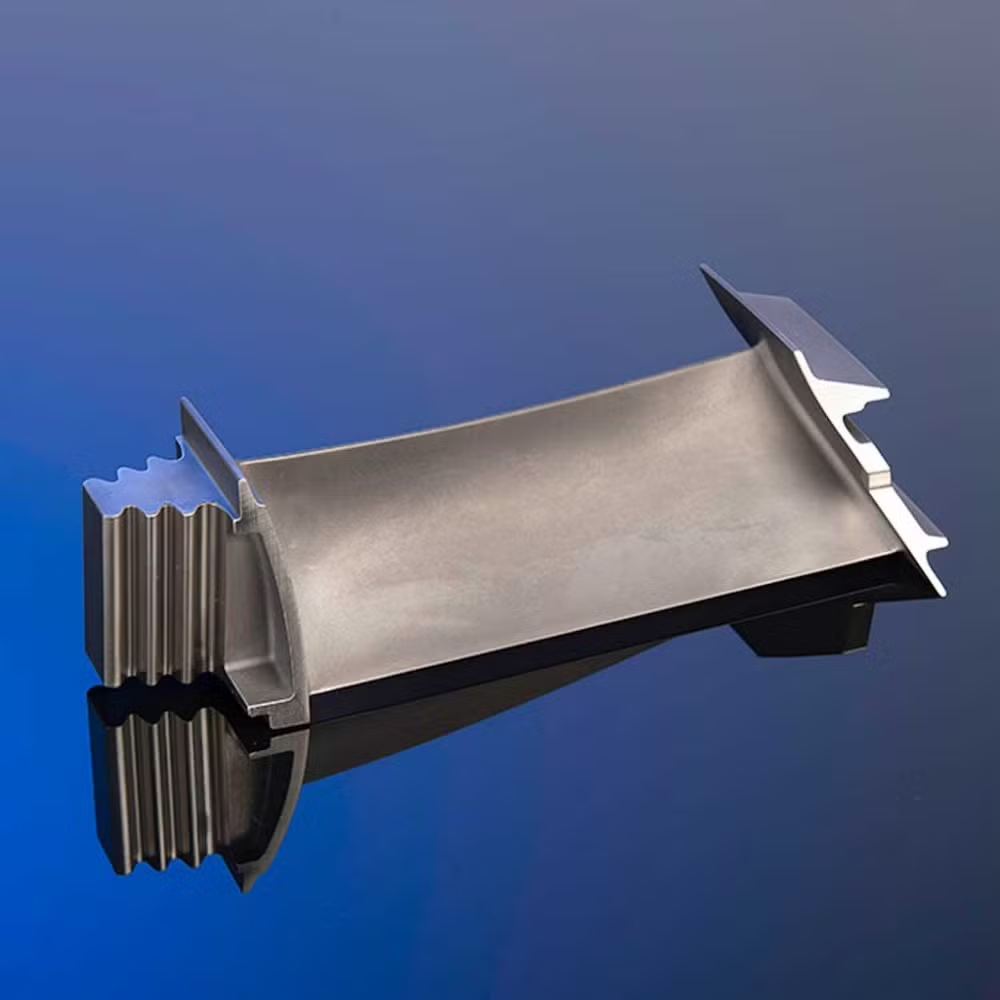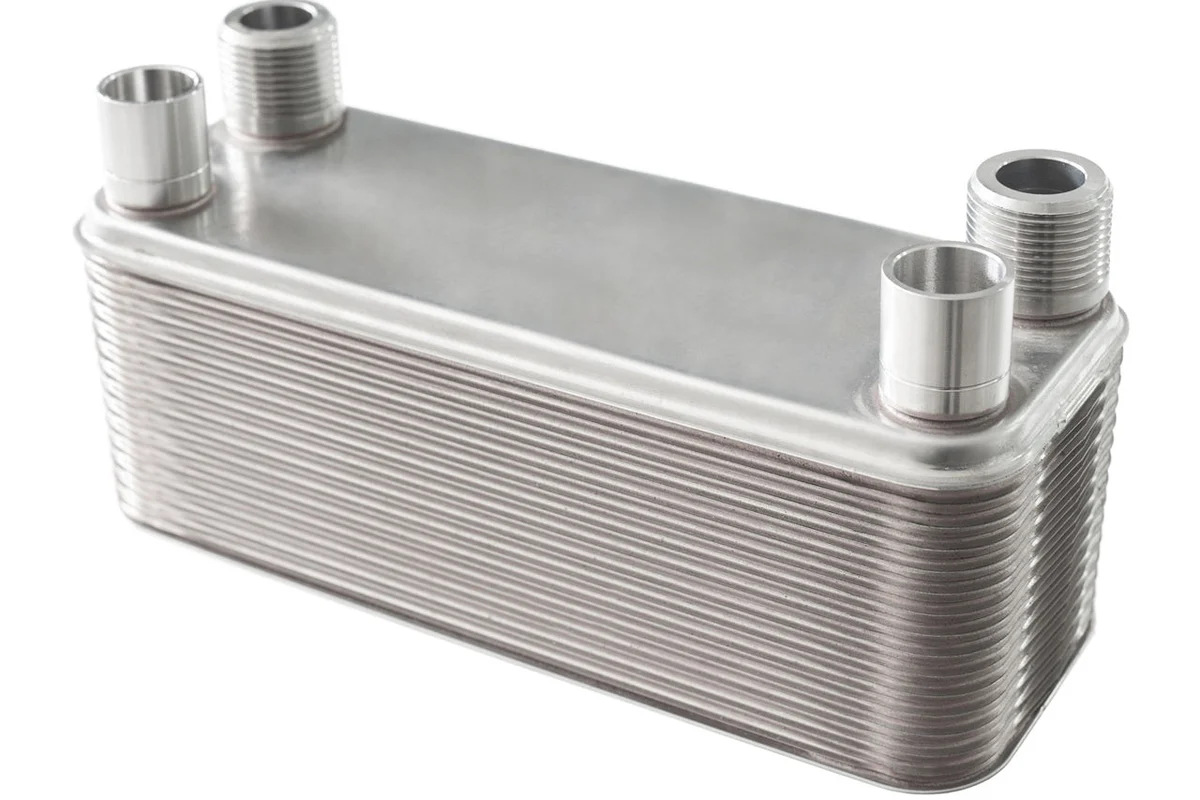









Brazing aluminum tubing is a technique used to join two pieces of aluminum tubing together using a filler metal that has a lower melting point than the base metals. This method is commonly used in the automotive and aerospace industries to create strong, leak-proof joints. Brazing aluminum tubing is also used in the construction of heat exchangers and other industrial equipment.
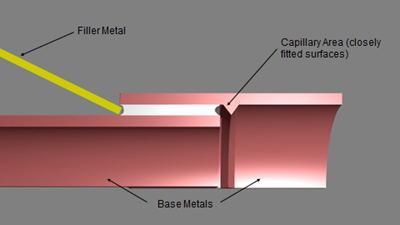
The process of brazing aluminum tubing involves heating the tubing to a temperature that is high enough to melt the filler metal but not high enough to melt the base metal. The filler metal is then applied to the joint, where it flows into the gap between the two pieces of tubing. As the joint cools, the filler metal solidifies, forming a strong bond between the two pieces of tubing.
Brazing aluminum tubing requires a clean, oil-free surface to ensure a strong bond between the filler metal and the base metal. The tubing must be cleaned thoroughly before the brazing process begins. Additionally, safety precautions, such as wearing non-flammable clothing, gloves, and safety goggles, should be taken to prevent injury during the brazing process.Brazing Aluminum Tubing Basics
Brazing Process
Brazing is a joining process that uses heat and filler metal to bond two or more materials together. The process involves heating the base metals to a temperature above the melting point of the filler metal, but below the melting point of the base metals. The filler metal is then melted and flows into the joint by capillary action.
Base Metals
When brazing aluminum tubing, it is important to consider the type of aluminum being used. Aluminum alloys have different melting points, thermal conductivity, and mechanical properties. The most commonly used aluminum alloys for tubing are 3003 and 6061. 3003 aluminum is easier to braze due to its lower melting point, while 6061 aluminum requires more heat and a more specialized brazing process.
Brazing Rods and Filler Metals
Brazing rods and filler metals are used to join the base metals together. The most commonly used filler metals for brazing aluminum tubing are aluminum-silicon alloys, such as 4043 and 4047. These alloys have a low melting point and good flow characteristics, making them ideal for brazing thin-walled tubing.
Flux
Flux is used to clean the base metals and filler metal during the brazing process. It removes oxides and other impurities that can interfere with the bonding process. The most commonly used flux for brazing aluminum tubing is a non-corrosive flux, such as ChannelFlux. This type of flux is designed to be used with aluminum-silicon filler metals and does not leave a corrosive residue.
In summary, brazing aluminum tubing involves heating the base metals, using a filler metal and flux to join the metals, and considering the type of aluminum being used. Aluminum-silicon filler metals and non-corrosive fluxes are commonly used for brazing aluminum tubing.Preparing Aluminum Tubing for Brazing
Before beginning the brazing process, it is crucial to prepare the aluminum tubing properly. This section will cover the three main sub-sections to prepare aluminum tubing for brazing, including cleaning aluminum tubing, preparation of joint area, and alignment of components.
Cleaning Aluminum Tubing
To ensure a good brazing connection, it is essential to clean the aluminum tubing thoroughly. Any dirt, grease, oil, or impurities on the metal surfaces can prevent the brazing material from adhering properly. To clean the tubing, use a degreasing solvent, such as acetone, and a wire brush to remove any dirt, grease, or oil. If there is any rust, use a grinding wheel to remove it.
Preparation of Joint Area
After cleaning the aluminum tubing, the next step is to prepare the joint area. The joint area should be free of any oxide, impurities, or surface roughness. To remove any oxide, use an aluminum oxide removing paste. If there are any holes, use rivets or threads to close them.
Alignment of Components
The final step in preparing aluminum tubing for brazing is to align the components properly. The components must be aligned correctly to ensure a strong joint. Before brazing, check the alignment of the components to ensure they are in the correct position.
It is important to note that safety is crucial when brazing aluminum tubing. Always wear appropriate safety gear, including gloves, safety glasses, and a respirator. Additionally, always follow the manufacturer’s instructions when using brazing materials and heating equipment.
In summary, preparing aluminum tubing for brazing involves cleaning the tubing, preparing the joint area, and aligning the components. By following these steps, you can ensure a strong brazing connection and a successful brazing process.Brazing Aluminum Tubing Techniques
Brazing aluminum tubing is a metal joining process that involves the use of heat and filler metals to create a durable joint. It is a popular method in manufacturing, automotive, repair shops, hobbyists, and aluminum fabrication. In this section, we will discuss the various techniques used in brazing aluminum tubing.
Torch Brazing
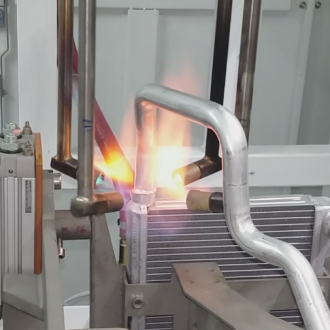
Torch brazing is a common method of joining aluminum tubing and can be performed with a variety of gas torches and filler metals. The acetylene torch is a popular choice for brazing aluminum tubing due to its high heat output. Torch brazing is cost-effective, portable, and can be used for both butt and lap joints.
To ensure a strong joint, proper joint clearance and alignment are crucial. The joint clearance should be between 0.002 to 0.005 inches, and the alignment should be within a tolerance of 0.010 inches. The joint strength is dependent on the filler metal used, and the tensile strength of the joint can range from 20,000 to 45,000 psi.
Furnace Brazing
Furnace brazing is a method of brazing aluminum tubing that involves heating the parts in a furnace to a temperature above the melting temperature of the filler metal. The parts are then cooled, and the filler metal solidifies, creating a strong joint. Furnace brazing is ideal for high-volume production and is known for its ability to produce consistent, high-quality joints.
Dip Brazing
Dip brazing is a method of brazing aluminum tubing that involves dipping the parts into a molten salt bath containing the filler metal. The parts are then removed and cooled, and the filler metal solidifies, creating a strong joint. Dip brazing is ideal for parts with complex shapes and is known for its ability to produce joints with high corrosion resistance.
Vacuum Brazing
Vacuum brazing is a method of brazing aluminum tubing that involves heating the parts in a vacuum chamber to a temperature above the melting temperature of the filler metal. The parts are then cooled, and the filler metal solidifies, creating a strong joint. Vacuum brazing is ideal for parts with high purity requirements and is known for its ability to produce joints with minimal distortion and oxidation.
When brazing aluminum tubing, it is important to prepare the joint properly by cleaning the parts to remove any impurities and oxidation. Sandblasting is a popular method for preparing the joint. The choice of filler metal is also important, and aluminum brazing rods are commonly used. The coefficient of thermal expansion of the filler metal should match that of the aluminum tubing to prevent cracking or distortion.
In summary, brazing aluminum tubing is a popular metal joining process used in various industries. Torch brazing, furnace brazing, dip brazing, and vacuum brazing are the most common techniques used. Proper joint preparation, filler metal selection, and joint clearance and alignment are crucial for creating a strong and durable joint.Brazing Aluminum Tubing Advantages
Strength
Brazing aluminum tubing is a popular method for joining aluminum tubing due to its many advantages. One of the main advantages is the strength of the joint. Brazing creates a strong and durable joint that can withstand high levels of stress and pressure. This is particularly important in applications where the tubing will be exposed to harsh conditions, such as in the automotive and aerospace industries.
Conductivity
Another advantage of brazing aluminum tubing is its excellent conductivity. Aluminum is a highly conductive material, and brazing allows for the creation of a joint that maintains this conductivity. This is particularly important in applications where the tubing will be used to transport fluids or gases, as the high conductivity of the joint ensures that there is minimal loss of energy or heat.
Corrosion Resistance
Brazing aluminum tubing also offers excellent corrosion resistance. Aluminum is naturally resistant to corrosion, and the brazing process creates a joint that is equally resistant. This is particularly important in applications where the tubing will be exposed to harsh environments, such as saltwater or acidic solutions.
Overall, brazing aluminum tubing offers many advantages over other joining methods. Its strength, conductivity, and corrosion resistance make it an ideal choice for a wide range of applications, from automotive and aerospace to HVAC and refrigeration.