









Brazing and welding are two popular metal-joining techniques that are used to fuse aluminum parts together. While both methods are effective, they have distinct differences that make them suitable for different applications.
Welding is the process of joining two or more metal parts by melting them together using high heat. It creates a strong, permanent bond between the parts, making it ideal for large-scale aluminum projects that require exceptional strength and durability. However, welding can be difficult to perform on thin aluminum sheets and can cause distortion or warping of the material.
On the other hand, brazing is a metal-joining technique that involves melting a filler metal and flowing it into the joint between two metal parts. It is a low-temperature process that can be used to join dissimilar metals and thin aluminum sheets without causing distortion or warping. Brazing also creates a strong, permanent bond between the parts, making it an excellent choice for small-scale aluminum projects that require precision and accuracy.
Brazing vs Welding Aluminum
Definition
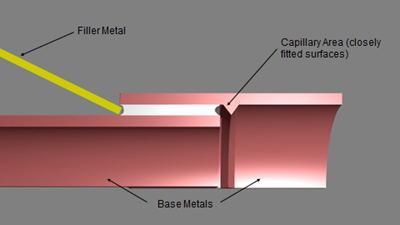
Brazing and welding are two metal-joining processes that are commonly used in the manufacturing industry. Welding is a process that involves melting the base metal and then adding a filler material to create a bond between the two pieces. Brazing, on the other hand, is a process that involves heating the base metal and then adding a filler metal that has a lower melting point than the base metal. The filler metal is then melted and flows into the joint, creating a strong bond.
Difference
One of the main differences between brazing and welding aluminum is the amount of heat required to join the two pieces. Welding requires a much higher temperature than brazing, which can cause the aluminum to warp or distort. Brazing, on the other hand, requires a lower temperature, which reduces the risk of distortion. Another difference is the amount of filler material required. Welding typically requires more filler material than brazing, which can make the joint heavier and less aesthetically pleasing.
Advantages
One advantage of brazing aluminum is that it can offer various metal-to-aluminum joints, whereas welding is more suitable for larger aluminum projects. Brazing also creates a smooth, good-looking joint that is generally easier to handle and results in a more even bond with less pitting or bumps. Brazing is also generally faster than welding, making it a more efficient process for certain applications. Additionally, brazed joints are strong and can be as strong or stronger than the metals being joined.
Disadvantages
One disadvantage of brazing aluminum is that it may not be suitable for thicker pieces of aluminum. Welding is typically better suited for thicker materials. Another disadvantage of brazing is that it may not be suitable for high-stress applications, as the joint may not be as strong as a welded joint. Brazing also requires a clean joint surface, which can be time-consuming to prepare.
Overall, both brazing and welding aluminum have their advantages and disadvantages, and the choice between the two depends on the specific application and requirements.
Brazing Aluminum
Process
Brazing aluminum is a metal-joining process that uses heat and a filler material to create a strong bond between two aluminum pieces. The process involves heating the aluminum parts to a temperature above the melting point of the filler material but below the melting point of the aluminum pieces. The filler material melts and flows into the joint by capillary action, creating a permanent bond when it cools.
Equipment
Brazing aluminum requires a few pieces of equipment, including a heat source such as a torch or furnace, a brazing rod or wire, and a flux. The heat source must be capable of reaching the melting point of the filler material, but not so hot that it melts the aluminum pieces. A torch with a high temperature and a small flame is ideal for brazing aluminum.
Filler Material
The filler material used for brazing aluminum is typically an aluminum-silicon alloy. This type of alloy has a low melting point and good fluidity, making it easy to flow into the joint by capillary action. The alloy also has good strength and corrosion resistance, making it ideal for brazing aluminum.
Flux
A flux is used during brazing to remove any oxides or impurities from the aluminum surface and to prevent the formation of new oxides during the brazing process. The flux also helps the filler material flow into the joint by capillary action. A common flux used for brazing aluminum is a borax-based flux.
Safety
Brazing aluminum can be hazardous if proper safety precautions are not taken. The process involves high heat and the use of flammable gases, so it is important to wear protective clothing, gloves, and eye protection. Adequate ventilation is also necessary to prevent the buildup of harmful fumes.
Temperature
The temperature required for brazing aluminum depends on the melting point of the filler material being used. Typically, temperatures between 570°C and 650°C (1060°F and 1200°F) are used for brazing aluminum.
Capillary Action
Capillary action is the ability of a liquid to flow in narrow spaces without the assistance of external forces like gravity. In brazing aluminum, the filler material flows into the joint by capillary action, creating a strong bond between the aluminum pieces.
In conclusion, brazing aluminum is a metal-joining process that uses heat and a filler material to create a strong bond between two aluminum pieces. The process requires a few pieces of equipment, including a heat source, a brazing rod or wire, and a flux. Proper safety precautions must be taken when brazing aluminum, and the temperature required for brazing depends on the melting point of the filler material being used. Capillary action is the key to creating a strong bond between the aluminum pieces.
Welding Aluminum
Process
Welding aluminum involves joining two pieces of aluminum using high heat to melt the parts together, causing fusion. The process requires a welding machine that generates heat and an electrode that is used to create the weld. The process of welding aluminum can be challenging as aluminum has a high thermal conductivity, which makes it more difficult to weld than other metals.
Equipment
Welding aluminum requires specialized equipment that can handle the unique properties of aluminum. The welding machine must be capable of producing high heat to melt the aluminum and create a strong bond. The welding machine must also have a high amperage output to ensure that the welding process is completed efficiently. Additionally, the welding machine must be able to handle the high thermal conductivity of aluminum.
Filler Material
The filler material used in welding aluminum is typically an aluminum alloy that has a lower melting point than the base metal. This allows the filler material to melt and flow into the joint, creating a strong bond between the two pieces of aluminum. The filler material must be carefully chosen to ensure that it is compatible with the base metal and that it will create a strong bond.
Shielding Gas
Shielding gas is used in welding aluminum to protect the weld from contamination and oxidation. The most common shielding gas used in welding aluminum is argon, which is an inert gas that does not react with the aluminum. The shielding gas is typically delivered to the welding area through a nozzle that surrounds the electrode.
Safety
Welding aluminum can be dangerous if proper safety precautions are not taken. The high heat generated during the welding process can cause burns, and the welding machine can produce harmful fumes. It is essential to wear protective clothing, including gloves, a welding helmet, and a welding jacket, to protect against burns. Additionally, a respirator should be worn to protect against harmful fumes.
In conclusion, welding aluminum involves joining two pieces of aluminum using high heat to melt the parts together, causing fusion. The process requires specialized equipment, filler material, and shielding gas. Safety precautions must be taken to protect against burns and harmful fumes. Welding aluminum can be challenging, but with the right equipment and technique, it can be done efficiently and effectively.
Joining Dissimilar Metals
When it comes to joining dissimilar metals, both brazing and welding can be effective methods. However, the choice between the two methods depends on the specific application and the properties of the metals being joined.
Brazing
Brazing is a metal-joining process that involves melting a filler metal into the joint to join two or more metal items. The filler metal should have a lower melting point than the adjoining metal. The filler metal flows into the gap between close-fitting parts by capillary action.
Brazing is particularly useful for joining dissimilar metals because it can join metals with different melting points. For example, brazing can be used to join aluminum to copper, which have significantly different melting points. Brazing also allows for the joining of thin and thick metals, making it a versatile option for many applications.
However, brazing does have some limitations. It may not be suitable for applications where high joint strength is required, as the strength of the joint depends on the strength of the filler metal used. Brazing may also not be suitable for applications where the joint will be exposed to high temperatures or corrosive environments.
Welding
Welding is another metal-joining process that involves melting the base metals being joined to fuse them together. Welding can be used to join dissimilar metals, but it requires more skill and expertise than brazing.
Welding is particularly useful for applications where high joint strength is required. Welded joints can be very strong and can withstand high stress and strain. Welding can also be used for applications where the joint will be exposed to high temperatures or corrosive environments.
However, welding has some limitations when it comes to joining dissimilar metals. It may not be suitable for joining metals with different melting points, as the heat required to melt one metal may damage the other metal. Welding may also not be suitable for joining thin and thick metals, as it can cause distortion and warping of the thinner metal.
In summary, both brazing and welding can be effective methods for joining dissimilar metals. The choice between the two methods depends on the specific application and the properties of the metals being joined. Brazing is useful for joining metals with different melting points and for joining thin and thick metals. Welding is useful for applications where high joint strength is required and for joining metals that can withstand high temperatures or corrosive environments.
Physical Properties
Strength
When it comes to strength, welding is generally considered to be the stronger of the two processes. Welding creates a fusion between the two metals, which results in a joint that is as strong or stronger than the base metals. On the other hand, brazing creates a joint that is not as strong as the base metals, but is still strong enough for many applications.
Melting Point
Brazing typically uses a filler material with a lower melting point than the base metals being joined. This means that brazing can be used to join dissimilar metals that would not be able to be welded together due to their different melting points. Welding, on the other hand, requires that the base metals be heated to their melting point in order to create a fusion between them.
Corrosion
Both brazing and welding can create joints that are resistant to corrosion, but brazing may be a better option for certain applications. Brazing creates a joint that is less prone to corrosion because the filler material used in brazing is often more corrosion-resistant than the base metals being joined. Additionally, brazing creates a joint that is less likely to be affected by heat distortion, which can lead to corrosion over time.
Appearance
Brazing typically creates a joint that is smoother and more aesthetically pleasing than a welded joint. This is because brazing uses a filler material that flows into the joint and creates a smooth, even surface. Welding, on the other hand, can create a joint that is rough and uneven, especially if the person doing the welding is not experienced.
Overall, both brazing and welding have their strengths and weaknesses when it comes to physical properties. Welding is generally considered to be the stronger of the two processes, while brazing may be a better option for joining dissimilar metals or creating joints that are less prone to corrosion. Additionally, brazing can create joints that are smoother and more aesthetically pleasing than welded joints.
Applications
Brazing and welding are both commonly used to join aluminum in a variety of applications. The choice between the two depends on the specific needs of the application. Here are some common applications where brazing or welding aluminum is used:
Automotive
Aluminum brazing and welding are commonly used in the automotive industry. Brazing is often used to join aluminum parts in the air conditioning system, such as the condenser and evaporator. Welding is used for structural components, such as the frame, body, and suspension.
Aircraft
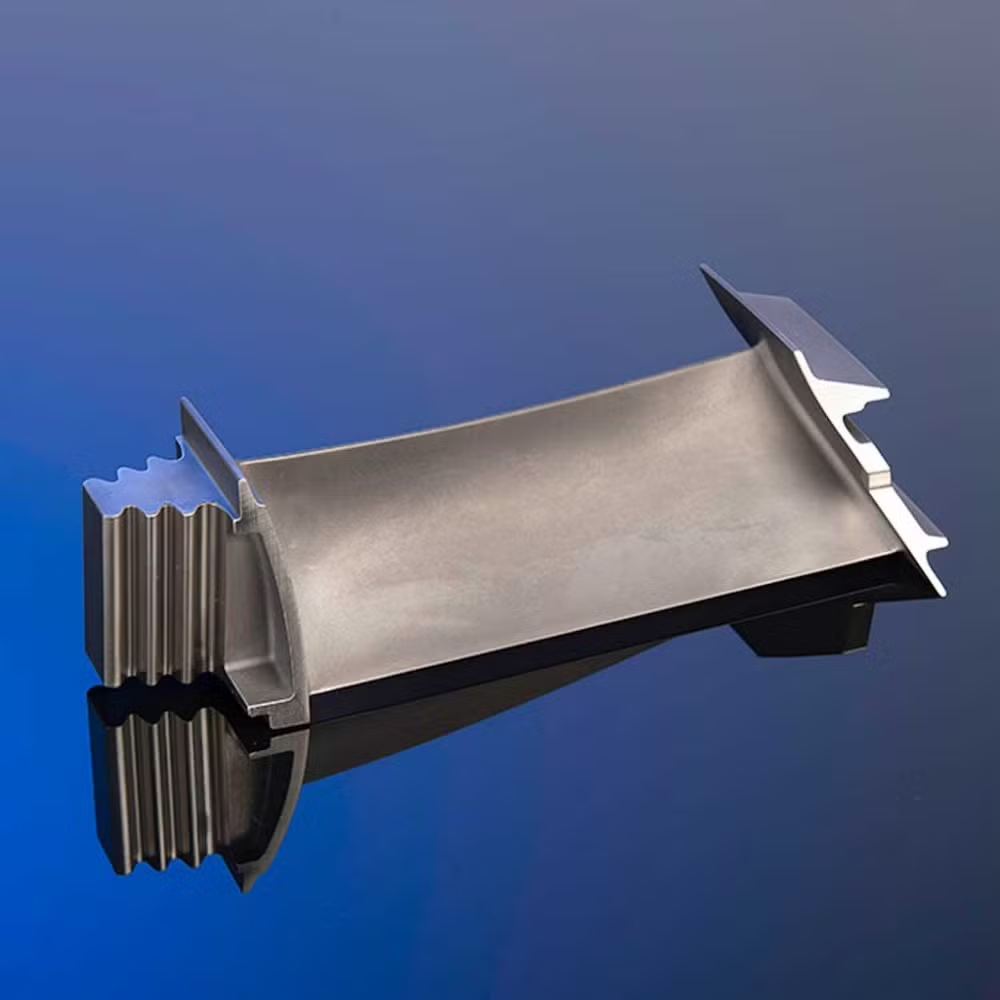
Aircraft manufacturers use aluminum extensively because of its light weight and strength. Brazing is often used for joining aluminum parts in the engine and fuel systems, while welding is used for structural components, such as the fuselage, wings, and landing gear.
Construction
Aluminum brazing and welding are used extensively in the construction industry. Brazing is often used to join aluminum pipes and tubing in HVAC systems, while welding is used for structural components, such as aluminum frames, roofs, and siding.
Consumer Products
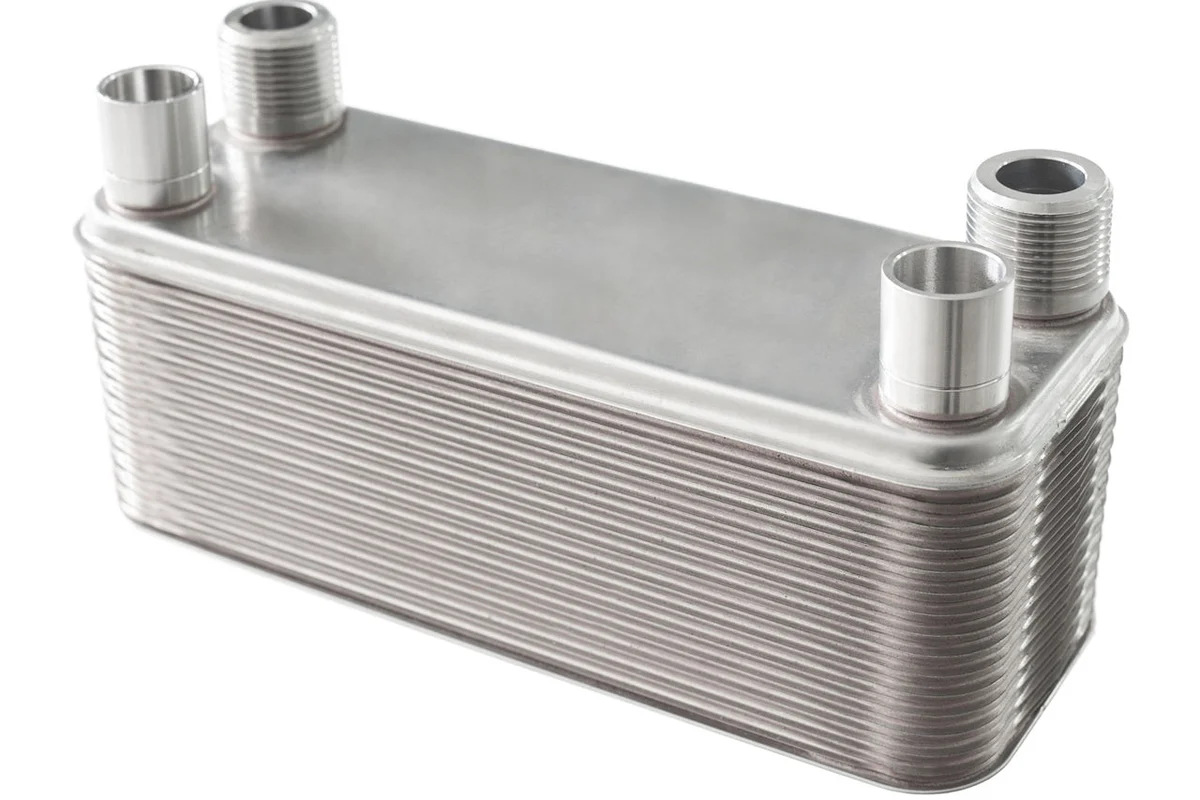
Aluminum brazing and welding are used in the production of consumer products, such as appliances, electronics, and sporting goods. Brazing is often used to join aluminum parts in heat exchangers, such as those found in refrigerators and air conditioners. Welding is used for structural components, such as aluminum frames in bicycles and golf clubs.
In conclusion, brazing and welding are both important processes for joining aluminum in a variety of applications. The choice between the two depends on the specific needs of the application. Brazing is often used for joining aluminum parts that require a low-temperature process, such as in air conditioning systems, while welding is used for structural components that require a high-strength joint, such as in aircraft and automotive frames.
Conclusion
In conclusion, both brazing and welding are effective methods for joining aluminum. The choice between the two techniques depends on the specific application and desired outcome.
Welding is typically stronger and better suited for larger assemblies, but it can also cause distortion and requires more preparation and skill. Brazing, on the other hand, is a faster and more cost-effective method that is ideal for delicate or dissimilar materials.
It is important to consider the advantages and disadvantages of each method before making a decision. Welding may be the best choice for large, complex assemblies that require maximum strength, while brazing may be the better option for smaller, less complex parts that require a quick and easy repair.
Ultimately, the decision between brazing and welding should be based on careful consideration of the specific requirements of the project. By understanding the differences between these two techniques, one can make an informed decision that will result in a successful outcome.