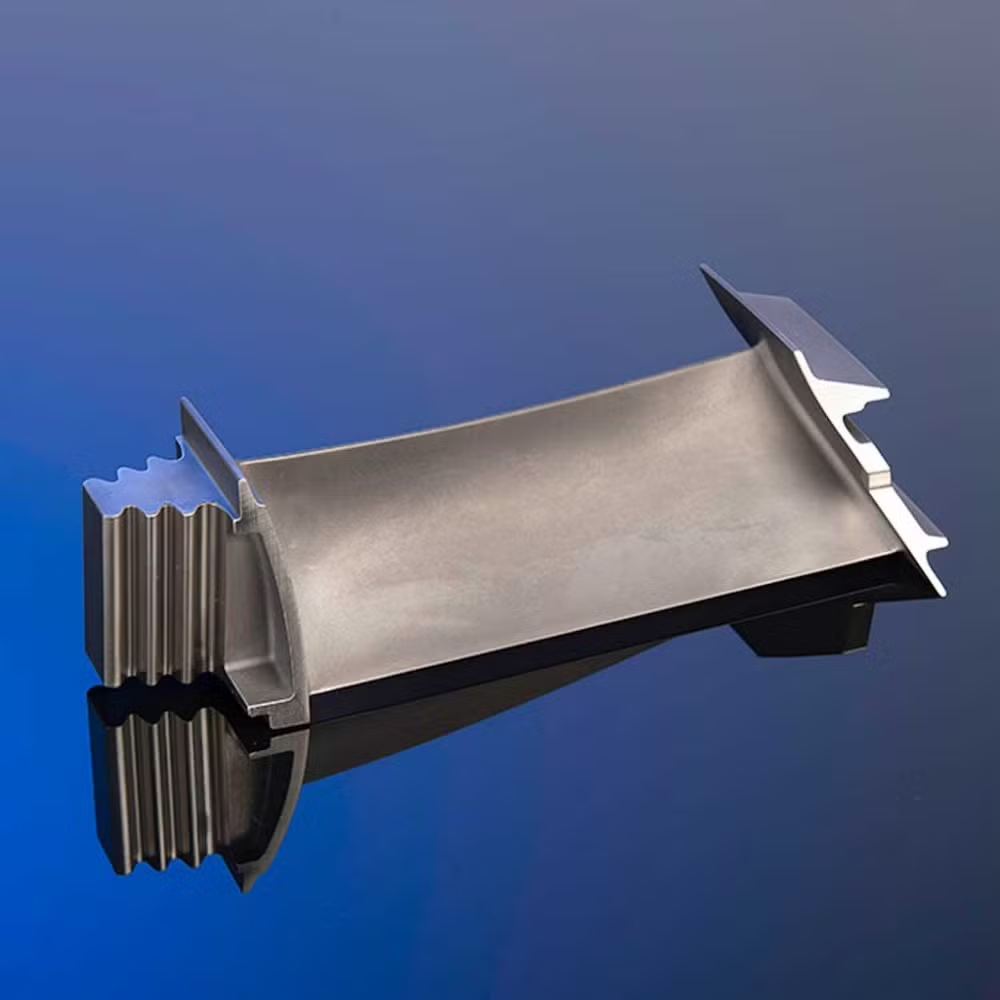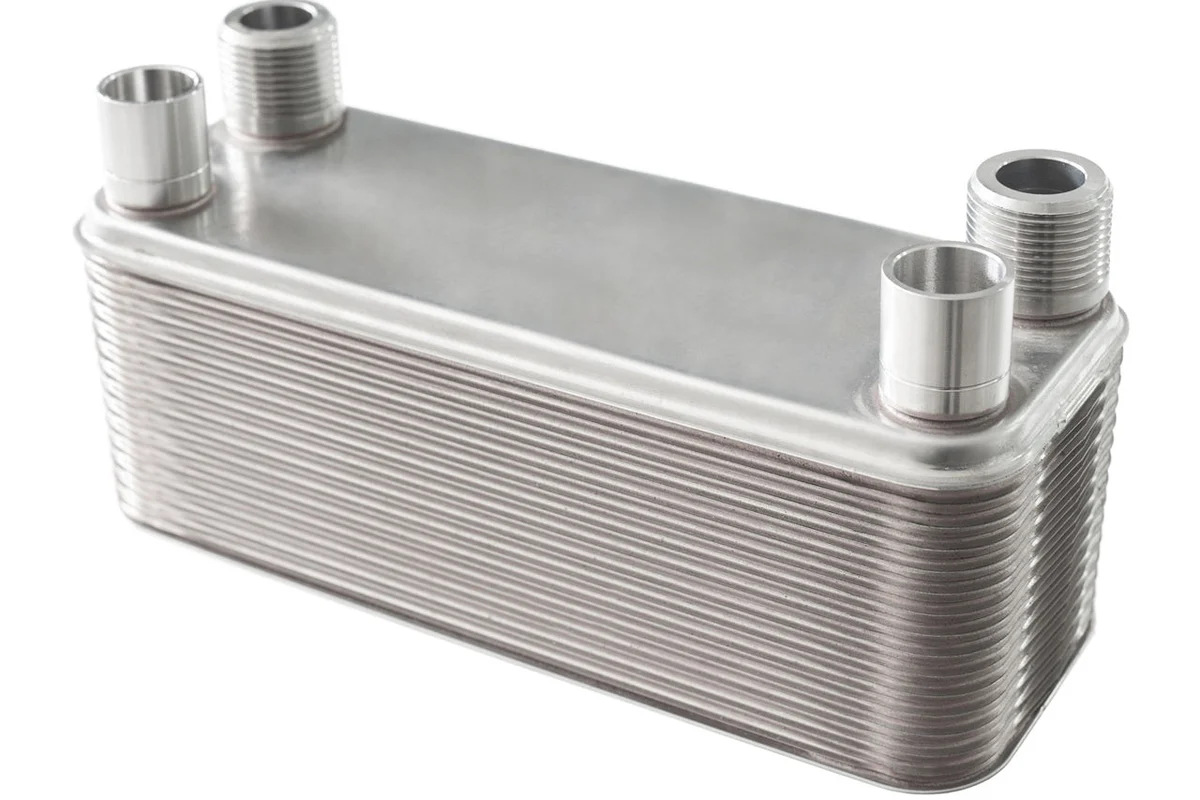










Brazing is an essential technique in joining metals, particularly when it comes to connecting copper components. The process involves the use of a torch and a filler metal that has a lower melting point than the metals being joined. MAPP gas, a popular choice for brazing applications, presents several advantages due to its high combustion temperature in air, which reaches up to 2,020 °C (3,670 °F) Wikipedia.
When using MAPP gas for brazing, it’s important to follow proper procedures to achieve a professional finish and long-lasting results. This includes thoroughly cleaning the metal surfaces, ensuring a tight fit between the parts, and skillfully applying the filler metal to create a strong bond. MAPP gas offers better performance than propane for brazing, as it provides higher heat output and faster heat transfer, making it a preferred choice among professionals and hobbyists alike.
Brazing MAPP Gas Fundamentals
Brazing is a versatile metal-joining process that utilizes heat and a filler metal to bond base materials. MAPP gas, a mixture of methylacetylene and propadiene, is commonly used as a fuel gas for brazing due to its high flame temperature and ease of use.
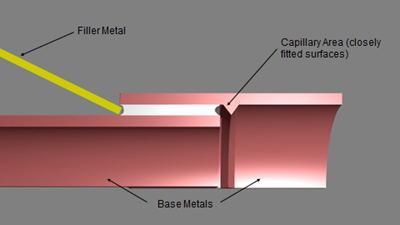
MAPP gas enables efficient heating of the base metals, ensuring proper capillary action for the molten filler metal to flow between their surfaces. This fuel gas is compatible with various types of materials, including copper, steel, and stainless steel, making it a popular choice among professionals and hobbyists alike.
One of the key benefits of using MAPP gas for brazing is its high flame temperature, which ranges between 2900-5300°F (1593-2927°C). This intense heat allows for a quicker and more controllable heating process compared to other fuel gases, such as propane or butane. Additionally, MAPP gas exhibits excellent combustion properties, making it a safer option for brazing applications.
When working with MAPP gas, it is important to follow safety precautions and proper brazing techniques. These include ensuring a good fit and proper clearances between the base metals, cleaning surfaces to remove contaminants, and applying a suitable flux to promote capillary action and reduce oxidation. Moreover, using a torch designed for MAPP gas is essential to achieve the desired flame characteristics and temperature needed for efficient brazing.
In summary, MAPP gas serves as a reliable and efficient fuel gas for brazing applications. Its high flame temperature, enhanced combustion properties, and compatibility with various metals make it a popular choice for professional and hobbyist brazers alike. Maintaining safety precautions and proper brazing techniques, such as ensuring a good fit, cleanliness, and flux application, is crucial for successful brazing with MAPP gas.
Torch and Equipment
MAPP Gas Torch Features
MAPP gas torches are designed for a variety of applications, including brazing copper and other metals. These torches typically have an adjustable flame control that allows you to manage the intensity of the flame for different tasks. The trigger-start ignition makes it easy to start the torch with a single push of a button, eliminating the need for a separate spark lighter. In addition, many MAPP gas torches come with a variety of tips to accommodate various job requirements, such as a Bluefire MRS-7014A that features a 1.5-inch burning tube nozzle for precise soldering and brazing.
Torch Set Components
A complete torch set for brazing with MAPP gas generally includes the following components:
- Torch: The main part of the set, including the torch handle, nozzle, and controls. Brands such as Bernzomatic are popular for their reliability and performance in various brazing applications.
- Gas cylinders: These provide fuel for the torch. MAPP gas is often used, favored for its high heat output and effectiveness in brazing tasks.
- Regulators or pressure meters: These control the flow of gas and provide accurate pressure readings, ensuring safety and optimal torch performance.
- Hoses: These connect the gas cylinders to the torch handle, ensuring a steady flow of gas.
- Accessories: Items such as goggles, tip cleaners, and tank supports may also be included in a torch set to enhance safety and productivity during the brazing process.
When selecting a MAPP gas torch set for your brazing needs, it is essential to consider the features and components discussed above to ensure a safe, efficient, and durable solution. With a quality torch and proper equipment, you can confidently tackle a wide range of brazing projects with impressive results.
Types of Fuel Gases
Propane
Propane is a popular fuel gas for many brazing applications. It is used in combination with oxygen and produces a flame temperature of around 1980 °C (3596 °F). Propane is easy to store and transport, making it a preferred choice for many hobbyists and professionals. However, its lower flame temperature compared to other fuel gases means that it may not be suitable for brazing high melting point metals like stainless steel or titanium.
Butane
Butane is another commonly used fuel gas for brazing, especially for smaller jobs. Similar to propane, butane is also used in combination with oxygen. It produces a flame temperature of approximately 1970°C (3578°F), which is slightly lower than propane. This makes it less suitable for brazing high melting point metals, but it is still useful for soldering and brazing tasks with lower temperature requirements.
Propylene
Propylene, also known as propyne or methylacetylene, is a fuel gas used for brazing due to its high flame temperature of about 2730°C (4946°F). This high temperature makes it suitable for brazing various metals, including steel, copper, and brass. However, propylene can be less stable than other fuel gases, making it more challenging to handle and store.
Oxy-Acetylene
Oxy-acetylene is the most widely used fuel gas for brazing and welding. It is a combination of acetylene and oxygen, producing a flame temperature of up to 3300°C (6000°F). This high temperature makes oxy-acetylene ideal for brazing various metals, including steel, stainless steel, and aluminum. Its ease of use and high heat output make it a favored choice among professionals.
Hydrogen
Hydrogen is another fuel gas that can be used for brazing. When combined with oxygen, hydrogen produces a flame temperature of around 2800°C (5072°F). As a result, it is often used for brazing high melting point metals like stainless steel, titanium, and other refractory metals. Hydrogen’s clean burning properties also make it a preferred fuel gas for brazing sensitive materials, as it produces very little contamination. However, hydrogen can be more expensive and difficult to store compared to other fuel gases, making it a less accessible choice for some users.
Brazing Process
Heating Methods
There are various heating methods used in the brazing process, such as torch brazing, induction brazing, and furnace brazing. In the case of torch brazing, the most common fuel gases used are acetylene, propane, natural gas, and MAPP gas, which are typically combined with oxygen to achieve a high enough temperature to melt the filler metal. MAPP gas, or methylacetylene-propadiene, is a popular choice as it burns at a higher temperature than propane, making it suitable for brazing without the need for oxygen1.
Soldering and Brazing Differences
Although both soldering and brazing involve the process of joining two metal pieces by using a filler metal, there are some key differences between the two methods. Soldering typically occurs at lower temperatures, often below 840°F (450°C), and does not provide the same strength as brazed joints. Brazing, on the other hand, takes place at higher temperatures (above 840°F or 450°C), allowing for stronger and more durable joints to be formed. The higher temperatures also enable brazing to be more effective on thicker materials, as opposed to soldering which works best with thinner metals2.
Flux Application
Flux plays a crucial role in the brazing process by removing oxides from the base metal surfaces and preventing new ones from forming during heating. This ensures a clean surface for the filler metal to flow and create strong bonds between the base metals. It is essential to apply the appropriate flux type and amount depending on the specific brazing application and materials being used1. For example, specific fluxes are designed for use with MAPP gas and ensure proper wetting and flow of the filler metal during brazing2.
Filler Metals
The filler metal selection is critical in the brazing process because it determines the strength and quality of the joint. Filler metals are available in various forms including rods, preforms, and powders, and are made of different alloys suitable for different base metals3. The choice of filler metal depends on factors such as the type of base metals, the joint design, and the specific application. When using MAPP gas, it is important to ensure that the filler metal selected is compatible with this heat source and can properly bond with the base metals being joined2.
Footnotes
- Lucas Milhaupt Brazing Fundamentals ↩ ↩2
- ThePipingMart Blog – Brazing Copper with Mapp Gas ↩ ↩2 ↩3
- Lucas Milhaupt Brazing Components for Refrigeration ↩
Material Compatibility
Steel
Brazing MAPP gas can be used on steel, but the results may not be as effective as using oxy-acetylene. MAPP gas alone might not generate sufficient heat to properly braze steel, especially for thicker materials. Nonetheless, it can still be used for lighter applications on steel, such as brazing steel of 1/8-inch thickness.
For optimal results on steel, it’s advisable to combine MAPP gas with oxygen. Oxy-acetylene remains the preferred choice due to its higher flame temperature, which improves the overall brazing process on steel.
Copper
When it comes to brazing copper, MAPP gas is a suitable choice. The process of brazing copper with MAPP gas involves the use of a torch and MAPP gas, along with proper preparation and technique.
To achieve a professional and durable result in copper brazing, make sure to:
- Clean the copper surfaces
- Apply flux to the joint area
- Heat the joint uniformly
- Introduce the filler metal to the joint while maintaining adequate heat
Following these steps will help ensure a successful brazing process for copper materials.
Silver Solder
Silver solder, also known as silver brazing alloy, can be effectively used with MAPP gas. As with copper brazing, proper surface preparation and technique are important. Silver solder is often used for its corrosion resistance and mechanical properties.
When brazing with silver solder and MAPP gas, ensure to:
- Clean the surfaces thoroughly
- Apply a suitable flux for silver soldering
- Heat the joint evenly to avoid overheating or melting
- Introduce the filler metal once the flux becomes active and fluid
By performing these steps with care and precision, successful brazing on materials such as steel, copper, or silver solder is achievable with MAPP gas. Maintain a confident, knowledgeable, neutral, and clear approach throughout the brazing process for optimal results.
Applications and Industries
Plumbing
Mapp gas is widely used in the plumbing industry for joining copper pipes. Its high combustion temperature of 2,020 °C in air gives it an advantage over propane fuel, making it suitable for brazing tasks. This gas is utilized in combination with a torch, allowing plumbers to achieve professional results and long-lasting joints. Brazing with Mapp gas is regarded as an efficient and reliable method for connecting pipes in plumbing systems.
Construction
In the construction sector, Mapp gas is also employed for various applications, including cutting and brazing metal components. Its high-temperature properties allow workers to join and cut through metals, such as steel structures and metal fittings. Furthermore, Mapp gas provides an alternative to oxygen-acetylene brazing, offering comparable results with more accessibility and lower costs, as discussed here.
Maritime
MAPP gas plays a role in the maritime industry, particularly when it comes to metal fabrication and repairs on ships and marine equipment. Its high combustion temperature is ideal for effective brazing and soldering of various metallic components on vessels. Its ease of use and portability also benefit workers who need to perform maintenance work in the maritime environment.
Cutting
Mapp gas, due to its high-temperature properties, is also efficient for cutting through metals. It is often used in combination with specialized torches, enabling cutting through thick steel components in construction, automotive, and other industrial applications. The gas allows workers to cut through metals quickly and safely, with minimal distortion, reducing the need for additional finishing processes.
Safety and Hazards
When dealing with MAPP gas for brazing, it is essential to understand the potential hazards and required safety measures. In this section, we will discuss the various aspects of safety and hazards, including the air and gas mixture, handling and storage, and personal protective equipment.
Air and Gas Mixture
MAPP gas is a flammable and potentially explosive gas mixture containing methylacetylene and propadiene. To ensure safe brazing, proper ventilation is critical. Work in well-ventilated areas to disperse any dangerous fumes and gases, and install ventilating fans and exhaust hoods if necessary. Additionally, be cautious of enclosed spaces and avoid open flames or sparks near the gas container.
Handling and Storage
It is crucial to handle MAPP gas cylinders with care. Store them in cool, dry, well-ventilated areas away from heat sources, direct sunlight, and incompatible materials like oxidizers. Make sure to close the cylinder valve tightly when not in use and follow proper handling guidelines to prevent leaks, spills, or accidents. Keep the cylinders upright and do not drag, roll, or drop them.
Personal Protective Equipment
When working with MAPP gas, proper personal protective equipment (PPE) is essential for everyone’s safety. Some necessary PPE items include:
- Safety glasses or goggles: These should provide adequate protection against flying debris and any potential splashes during brazing.
- Gloves: Heat-resistant gloves will provide protection against burns when handling hot materials or tools.
- Protective clothing: Long sleeves and flame-resistant clothing can help minimize potential burn injuries.
- Respiratory protection: Be mindful of potential fumes and gases released during the brazing process. Use appropriate respiratory protection such as air-supplied respirators if required.
Ensuring proper safety measures are in place when using MAPP gas for brazing can help prevent accidents and protect workers. By understanding the air and gas mixture, handling and storage precautions, and necessary personal protective equipment, you can create a safe working environment for everyone involved in the brazing process.
Additional Resources
If you’re interested in learning more about brazing with MAPP gas, there are several resources available to help deepen your understanding. ThePipingMart Blog offers a step-by-step guide on the brazing process using MAPP gas. The article focuses on joining copper materials and provides insightful tips for achieving professional results.
For those in the HVAC industry, there’s a valuable discussion about brazing with MAPP gas on the HVAC-Talk forum. Here, you can find real-world experiences and advice from professionals who have successfully used MAPP gas in the field.
If you are considering alternatives to MAPP gas, consider the comparison between MAPP gas and oxygen-acetylene brazing available at Supply House Times. This resource highlights the pros and cons of each brazing method, assisting you in making an informed decision on which is best suited for your needs.
Lastly, for more general information and history about MAPP gas, visit Wikipedia’s MAPP gas page. This entry provides an overview of MAPP gas, including its composition, properties, and applications, in addition to its use in heating, soldering, brazing, and even welding.
Incorporating these resources into your research on brazing with MAPP gas will provide you with a strong foundation of knowledge, enabling you to approach the subject with confidence and clarity.
Frequently Asked Questions
Can MAPP gas be used to braze steel?
Yes, MAPP gas can be used to braze steel. MAPP gas torches are capable of producing high flame temperatures, making them suitable for brazing steel. However, it is essential to remember that brazing thick steel may require a more robust set-up, such as using oxy-acetylene to achieve better results.
Is it possible to braze aluminum using MAPP gas?
It is possible to braze aluminum using MAPP gas. However, aluminum has a lower melting point than other metals, so extra care should be taken to avoid overheating and causing damage to the base material.
What is the difference between brazing with MAPP gas and oxygen?
Brazing with MAPP gas alone produces a lower flame temperature compared to when using MAPP gas combined with oxygen. When MAPP gas is used in combination with oxygen, the flame temperature can reach up to 2925 °C (5300 °F), making it suitable for heating, soldering, brazing, and welding.
Can copper be brazed using MAPP gas?
Yes, copper can be brazed using MAPP gas. MAPP gas torches provide sufficient heat for brazing copper pipes, making them a popular choice for plumbers and HVAC technicians.
Is brazing stainless steel with MAPP gas possible?
Brazing stainless steel with MAPP gas is possible, but it may require more time and patience due to the lower flame temperature compared to oxy-acetylene. It is essential to use the appropriate brazing rod, flux, and technique to achieve a strong brazed joint.
What is the best gas for brazing purposes?
The best gas for brazing purposes depends on the specific application and the materials being brazed. For general-purpose brazing applications, MAPP gas is a popular choice due to its affordability and availability. However, for more demanding brazing tasks, such as brazing thick steel or high-temperature alloys, oxy-acetylene may be a better option.