
An evaporator coil leak is a common issue that can occur in air conditioning systems. The evaporator coil is responsible for removing heat and humidity from the air in your home, making it an essential component of your AC unit. When the evaporator coil starts to leak, it can cause a range of problems, including reduced cooling efficiency, increased energy bills, and even system failure.
There are several reasons why an evaporator coil may start to leak. One of the most common causes is corrosion, which can occur over time due to exposure to moisture and other environmental factors. Vibration and wear and tear can also cause the coil to develop leaks. Regular maintenance and cleaning can help prevent these issues and ensure that your AC system continues to function properly.
If you suspect that your AC system has an evaporator coil leak, it’s important to address the issue as soon as possible. Ignoring the problem can lead to more significant damage and higher repair costs down the line. By understanding the causes and symptoms of evaporator coil leaks, you can take steps to prevent them from occurring and keep your AC system running smoothly.
What is an Evaporator Coil Leak?
An evaporator coil leak is a common issue that can occur in an air conditioning system. The evaporator coil is an important component of an AC unit that is responsible for cooling the air that passes through it. This coil is typically made of copper tubing that is surrounded by aluminum fins. As the refrigerant flows through the coil, it absorbs heat from the air, which cools the air that is then circulated throughout your home.
Over time, the evaporator coil can develop leaks due to a variety of reasons. One common cause of leaks is formic acid buildup. When copper, water, and oxygen are present, they can react to form formic acid, which can corrode the copper tubing and cause leaks. Another common cause of leaks is vibration. As the AC unit operates, it can cause the aluminum fins to rub against the copper tubing, which can eventually wear a hole in the tubing and cause a leak.
There are several signs that your AC system may have an evaporator coil leak. One of the most common signs is reduced cooling performance. If your home is taking longer to cool down than usual, this could be a sign that the evaporator coil is not functioning properly. Another sign is the presence of water or refrigerant around the AC unit. If you notice water pooling around the unit or see refrigerant leaking from the unit, this could be a sign of a leak in the evaporator coil.
Causes of an Evaporator Coil Leak
An evaporator coil leak can be caused by several factors. The most common causes include:
- Formic Acid Build-up: When copper, water, and oxygen are present, they develop a reaction called formic acid. This acid can corrode the copper tubing in the evaporator coil and cause leaks.
- Mold and Biofilms: Mold and biofilms that form on the coil can also weaken the copper’s integrity over time, eventually leading to a leak if not addressed.
- Corrosion: Corrosion can occur due to a variety of factors, including exposure to moisture, salt, or other corrosive substances. Over time, this corrosion can cause the copper tubing in the evaporator coil to weaken and eventually leak.
- Wear and Tear: Like any other mechanical component, an evaporator coil can experience wear and tear over time. This wear and tear can cause the coil to develop leaks or other problems.
It’s important to note that many of these causes can be prevented with regular maintenance and cleaning of the evaporator coil. For example, reducing your home’s VOCs can help to purify the indoor air while also preventing coil leaks. Additionally, periodic maintenance checks can help to identify and address potential problems before they become serious.
If you suspect that your evaporator coil is leaking, it’s important to contact a professional HVAC technician as soon as possible. They can diagnose the problem and recommend the best course of action, which may include repair or replacement of the coil.
Signs of an Evaporator Coil Leak
When the evaporator coil in your air conditioning system starts to leak, it can cause several issues. Here are some signs that your evaporator coil may be leaking:
- Your home takes a long time to cool down
- The airflow feels weak
- Warm air comes out of the air conditioning system
- You notice a strange odor coming from the air conditioning system
- There is water pooling around the air conditioning system
One of the most common signs of a leaking evaporator coil is poor performance. If you notice that your home is taking longer than usual to cool down, or if the airflow feels weak, it could be a sign that your evaporator coil is leaking. This is because the refrigerant that cools the air is not able to flow through the system as efficiently when there is a leak.
Another sign of a leaking evaporator coil is warm air coming out of the air conditioning system. This is because the refrigerant is not able to absorb heat from the air as effectively when there is a leak. You may also notice a strange odor coming from the air conditioning system. This is because the refrigerant can react with other substances in the system, causing a chemical smell.
If you notice water pooling around the air conditioning system, it could be a sign of a leaking evaporator coil. This is because the refrigerant can cause the evaporator coil to freeze, which can cause water to leak out of the system. If you notice any of these signs, it is important to have your air conditioning system inspected by a professional.
Consequences of an Evaporator Coil Leak
An evaporator coil leak can lead to a number of consequences, ranging from decreased efficiency to complete system failure. Here are some of the most common consequences:
- Decreased cooling performance: When the refrigerant level drops due to a leak, the air conditioner will not be able to cool your home as effectively as it should. This means that you may notice that your home is not as cool as it used to be, or that it takes longer to reach the desired temperature.
- Increase in energy bills: When the air conditioner has to work harder to cool your home, it will consume more energy. This means that your energy bills may increase significantly as a result of an evaporator coil leak.
- Complete system failure: If the refrigerant level drops too low, the air conditioner may stop working altogether. This can be a costly problem to fix, and may require the replacement of the entire system.
- Damage to other components: When the refrigerant level drops, it can cause other components of the air conditioning system to work harder than they should. This can lead to premature wear and tear, and may result in the need for repairs or replacements.
If you suspect that your air conditioner has an evaporator coil leak, it is important to have it inspected by a professional HVAC technician as soon as possible. Ignoring the problem can lead to more serious consequences, and may end up costing you more money in the long run.
How to Fix an Evaporator Coil Leak
DIY Solutions
If you’re experiencing an evaporator coil leak, there are a few DIY solutions you can try before calling in a professional. Keep in mind that these solutions may only be temporary fixes and may not completely solve the problem. One DIY solution is to use a sealant. There are sealants available specifically for AC systems that can be applied to the leaky area. However, it’s important to note that not all sealants are compatible with all AC systems, so be sure to do your research before applying any sealant. Another option is to keep adding refrigerant. This is not a permanent solution, but it can help keep your AC running while you wait for a professional to come and repair or replace the evaporator coil.
Professional Repair
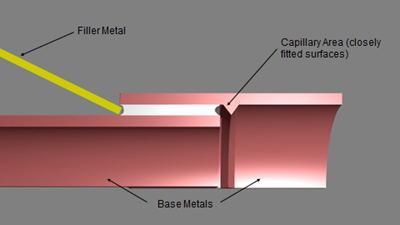
Unfortunately, there’s no reliable way to repair an evaporator coil leak. The most effective solution is to have the coil replaced by a professional technician. This involves recovering the remaining refrigerant gas and soldering in a new coil. It’s important to note that attempting to replace the evaporator coil yourself can be dangerous and may cause further damage to your AC system. Always hire a licensed and experienced professional to perform any repairs or replacements. In addition to replacing the coil, a professional technician may also recommend preventive measures to help prevent future leaks. Regular maintenance, cleaning, and inspections can help identify and address any potential issues before they become major problems. Overall, fixing an evaporator coil leak requires the expertise of a professional technician. While there are DIY solutions available, they may only be temporary fixes and may not completely solve the problem. Always prioritize safety and hire a licensed professional for any AC repairs or replacements.
Preventing Evaporator Coil Leaks
Evaporator coil leaks can be a costly and frustrating problem for homeowners. Fortunately, there are steps you can take to prevent them from occurring.
One way to prevent evaporator coil leaks is to control indoor humidity. High humidity levels can cause moisture to build up on the coil, leading to corrosion and eventual leaks. Using a dehumidifier or air conditioner can help keep humidity levels in check.
Another way to prevent evaporator coil leaks is to reduce the use of volatile organic compounds (VOCs) inside your home. VOCs can corrode the coil and cause leaks over time. You can reduce VOCs by using low-VOC paints and cleaning products, and avoiding smoking indoors.
Regular maintenance of your HVAC system can also help prevent evaporator coil leaks. This includes changing air filters regularly, cleaning the coil, and having your system inspected by a professional at least once a year.
Finally, using ultraviolet (UV) lighting can also help prevent evaporator coil leaks by killing bacteria and mold that can grow on the coil. UV lights can be installed inside your HVAC system to keep the coil clean and free of harmful contaminants.
By taking these steps to prevent evaporator coil leaks, you can save yourself the hassle and expense of having to repair or replace your HVAC system.