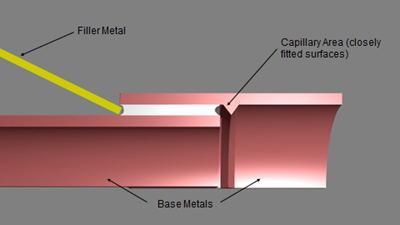










Silver brazing is a joining process that uses a non-ferrous filler metal alloy heated to melting temperature and distributed between two or more close-fitting parts by capillary attraction. The process is commonly referred to as “hard soldering” or “silver soldering,” and it offers a cost-effective method for joining metals. This is especially true when joints are designed for maximum brazing efficiency and fixtures are designed as described. Many products manufactured today could be redesigned for brazing to reduce manufacturing costs. Even though silver is expensive, it represents a small percentage of total manufacturing costs.
To successfully employ a silver brazing operation, joint preparation and cleaning are essential. The joint should be free from any oil, grease, or other contaminants that could prevent the filler metal from adhering. The next step is selecting the right filler metal and applying flux. The flux serves to remove any remaining contaminants and promote the flow of the filler metal. In specific situations, flux residues need to be cleaned after the brazing process.
Silver brazing is a low-temperature brazing process with rods having melting points ranging from 1145 to 1650ºF (618 to 899ºC). This is considerably lower than that of the copper alloy brazing filler metals. The molten filler metal interacts with a thin layer of the base metal, cooling to form an exceptionally strong joint. Silver brazing is ideal for joining dissimilar metals, and it is frequently used in the aerospace, automotive, and medical industries.
What is Silver Brazing?
Silver brazing is a joining process that involves heating a non-ferrous filler metal, usually an alloy that contains silver, to its melting temperature and distributing it between two or more close-fitting parts by capillary attraction. The process is also known as hard soldering or silver soldering and is commonly used in the manufacturing of various products.
During silver brazing, the filler metal is heated to a temperature above 800°F (427°C), which causes it to melt and flow into the joint by capillary action. The joint is then allowed to cool and solidify, creating a strong and durable bond between the parts.
The primary advantage of silver brazing is that it creates a strong, leak-tight joint that can withstand high temperatures and pressures. It is also a cost-effective method for joining metals, especially when joints are designed for maximum brazing efficiency and fixtures are designed appropriately.
To successfully employ a silver brazing operation, several steps must be followed. These steps include joint preparation and cleaning, selecting the appropriate filler metal, applying flux, and eventually brazing. In specific situations, flux residues may need to be cleaned after the brazing.
The following table summarizes the key components of a silver brazing operation:
| Component | Description |
|---|---|
| Joint Preparation | The surfaces to be joined must be free of dirt, oil, and other contaminants. |
| Filler Metal | The filler metal should be chosen based on the metals being joined and the desired properties of the joint. |
| Flux | Flux is applied to the joint to prevent oxidation and promote wetting of the filler metal. |
| Brazing | The joint is heated to the appropriate temperature, and the filler metal is added to the joint. |
Overall, silver brazing is a versatile and effective method for joining metals, and it is widely used in various industries, including aerospace, automotive, and plumbing.
The Silver Brazing Process
Silver brazing is a joining process that uses a non-ferrous filler metal, commonly referred to as an alloy, to create strong and durable joints between two or more close-fitting parts. The process involves heating the filler metal to a melting temperature above 800°F, allowing it to flow between the parts by capillary attraction. The result is a joint that is both mechanically and electrically sound.
Joint Design
The success of the silver brazing process depends heavily on the design of the joint. The joint should be designed to maximize brazing efficiency, which means that the joint clearance should be kept to a minimum. The closer the parts are to each other, the better the capillary attraction will be, and the more successful the brazing process will be.
Filler Metals
The filler metals used in silver brazing are usually alloys that contain silver, copper, zinc, cadmium, or other non-ferrous metals. The melting point of the filler metal should be lower than that of the parts being joined, but high enough to form a strong bond. The most commonly used filler metals for silver brazing include silver-copper-zinc alloys, silver-copper-phosphorus alloys, and silver-copper-cadmium alloys.
Flux
Flux is an essential component of the silver brazing process. It is used to prevent oxidation and to promote wetting and flow of the filler metal. Flux also helps to remove any surface contaminants that may hinder the brazing process. The most commonly used fluxes for silver brazing include borax, boric acid, and fluoride-based fluxes.
Heat Sources
The heat source used in the silver brazing process can vary depending on the application and the size of the parts being joined. Torch brazing is the most common method and is suitable for small to medium-sized parts. Flame brazing is similar to torch brazing but uses a larger flame. Induction brazing uses an electromagnetic field to heat the parts being joined. Furnace brazing is used for larger parts and involves heating the parts in a controlled atmosphere. Infrared brazing uses infrared radiation to heat the parts being joined. Gas/air brazing is a low-cost method that uses a gas flame. Oven brazing is used for larger parts and involves heating the parts in an oven.
In conclusion, the silver brazing process is a reliable and effective method for joining a wide range of metals, including steel, stainless steel, brass, and other non-ferrous metals. By following the proper joint design, selecting the appropriate filler metal and flux, and using the right heat source, a strong and durable joint can be achieved.
Advantages of Silver Brazing
Silver brazing offers several advantages over other joining methods. Here are some of the key benefits:
Corrosion Resistance
Silver brazed joints are highly resistant to corrosion, making them ideal for use in harsh environments. The silver alloy used in brazing forms a tight bond with the base metals, creating a barrier against corrosion. This is particularly important in applications where the joint will be exposed to moisture, chemicals, or other corrosive substances.
Electrical Conductivity
Silver is an excellent conductor of electricity, and silver brazing produces joints that maintain high electrical conductivity. This makes silver brazing a popular choice for applications where electrical conductivity is critical, such as in electronics and electrical equipment.
Grain Structure
Silver brazing produces joints with a fine-grained structure, which can improve the mechanical properties of the joint. The fine grain structure also helps to reduce the risk of cracking and distortion during the brazing process.
Mechanical Performance
Silver brazed joints offer excellent mechanical performance, with high strength and ductility. This makes them ideal for use in applications where the joint will be subjected to high stress or strain, such as in aerospace, automotive, and industrial equipment.
Pressure Tightness
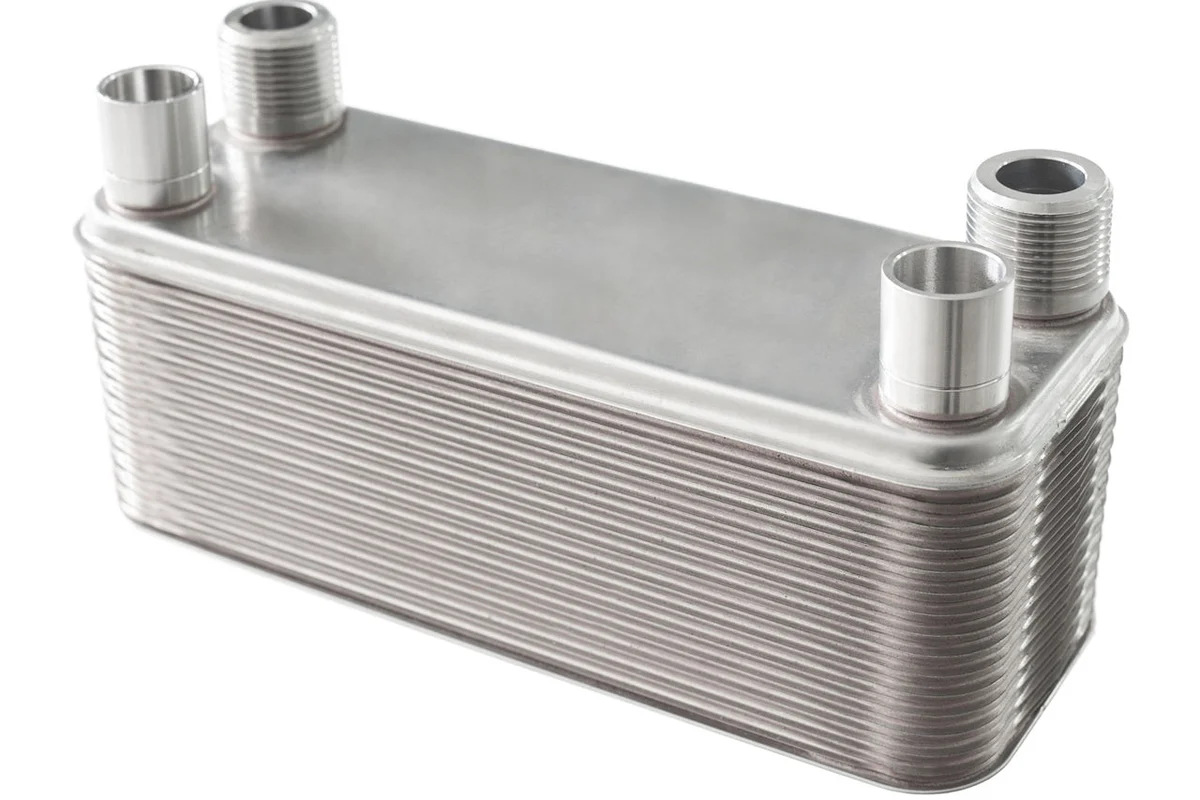
Silver brazing produces joints that are highly resistant to leaks, making them ideal for use in applications where pressure tightness is critical. This is particularly important in applications such as refrigeration and air conditioning, where leaks can result in system failure.
Thermal Expansion
Silver brazing produces joints that have similar thermal expansion properties to the base metals, reducing the risk of cracking or distortion due to thermal stresses. This makes silver brazing a popular choice for joining dissimilar metals with different thermal expansion coefficients.
Overall, silver brazing offers a range of advantages over other joining methods, making it a popular choice for a wide variety of applications.
Choosing the Right Silver Brazing Alloy
When it comes to choosing the right silver brazing alloy, there are several factors to consider. Service temperature, dissimilar metals, and cadmium-free options are all important considerations.
Service Temperature
One of the first things to consider when choosing a silver brazing alloy is the service temperature. Different alloys have different melting points and can withstand different temperatures. For example, Aufhauser’s A-54N silver brazing alloy is suitable for furnace brazing due to its low zinc content and can be used for elevated applications up to 700°F. It has a broader melting range of 250°F, which is helpful when clearances are not uniform.
Dissimilar Metals
Another important consideration is dissimilar metals. Silver brazing is ideally suited for joining dissimilar metals. However, it is important to choose the right brazing alloy for the job. Copper alloy brazing filler metals are good for copper to copper joints, while non-ferrous filler metals are better suited for non-ferrous base metals. Ferrous base metals may require higher silver content in the brazing alloy.
Cadmium-free Silver Brazing Alloys
Cadmium-free silver brazing alloys are becoming increasingly popular due to health and safety concerns associated with cadmium oxide fumes. When working with cadmium-containing alloys, it is important to wear personal protective equipment to avoid inhaling the fumes. Cadmium-free silver brazing alloys are a safer alternative and are available in a range of options, including low-temperature options.
When choosing the right silver brazing alloy, joint design and capillary action should also be taken into consideration. Proper joint design and preparation can ensure a successful brazing operation, while capillary action ensures the distribution of the filler metal into the joint.
Overall, choosing the right silver brazing alloy requires careful consideration of several factors, including service temperature, dissimilar metals, and cadmium-free options. By taking these factors into account and following proper joint preparation and cleaning techniques, a successful brazing operation can be achieved.
Post-Braze Cleaning and Inspection
After silver brazing, it is crucial to perform post-braze cleaning and inspection to ensure leak-proof joints. This section covers the joint clearances, cleaning, and inspection steps necessary for successful post-braze cleaning.
Joint Clearances
To achieve a leak-proof joint, joint clearances must be fit for proper capillary action. Joint clearances are the gap between the mating surfaces of the joint. The ideal clearance is between 0.001 and 0.005 inches. Too much clearance will result in insufficient capillary action, while too little clearance will cause the joint to become clogged with brazing material.
Cleaning
Post-braze cleaning is an essential step in silver brazing to remove residual flux and ensure cleanliness. The residual flux can be corrosive and can cause the joint to fail over time. The following table summarizes the different cleaning methods for different types of fluxes:
| Flux Type | Cleaning Method |
|---|---|
| Organic | Hot water, steam or solvent cleaning |
| Inorganic | Hot water, steam or acid cleaning |
| Corrosive | Hot water, steam or alkaline cleaning |
After cleaning, the joint should be thoroughly rinsed with hot water and dried. It is essential to ensure that the joint is completely dry before inspection.
Inspection
After cleaning, the joint should be inspected for fitment, cleanliness, and critical transition temperature. Fitment refers to the proper alignment of the joint, while cleanliness refers to the absence of residual flux and other contaminants. Critical transition temperature refers to the temperature at which the joint transitions from a solid to a liquid state.
The inspection process should include visual inspection and pressure testing. The visual inspection should verify that the joint is free of defects such as cracks or voids. Pressure testing should verify that the joint can withstand the intended pressure without leaking.
In conclusion, post-braze cleaning and inspection are critical steps in silver brazing to ensure leak-proof joints. Joint clearances, cleaning, and inspection are essential for successful post-braze cleaning.
Applications of Silver Brazing
Silver brazing is a cost-efficient metal joining operation that provides pressure tightness and high joint strength. It is widely used in various industries, including automotive, industrial, and aerospace. In this section, we will explore the applications of silver brazing in each of these industries.
Automotive
In the automotive industry, silver brazing is commonly used for carbide tooling inserts, machining operations, and stainless steel hardware. The brazed joints provide excellent joint strength and pressure tightness, making them ideal for automotive applications. Silver brazing also offers high production rates, making it a popular choice for mass production of automotive parts such as rings and washers.
Industrial
In the industrial sector, silver brazing is used for a wide range of applications, including filler metal distribution, non-ferrous and ferrous metals, and hard soldering. Silver brazing is particularly useful when joining dissimilar metals that have different melting points. The low-temperature brazing process ensures that the metal being joined does not become brittle due to high temperatures. Additionally, the liquidus temperature of silver brazing alloys is lower than that of other brazing alloys, making it easier to control the brazing process.
Aerospace
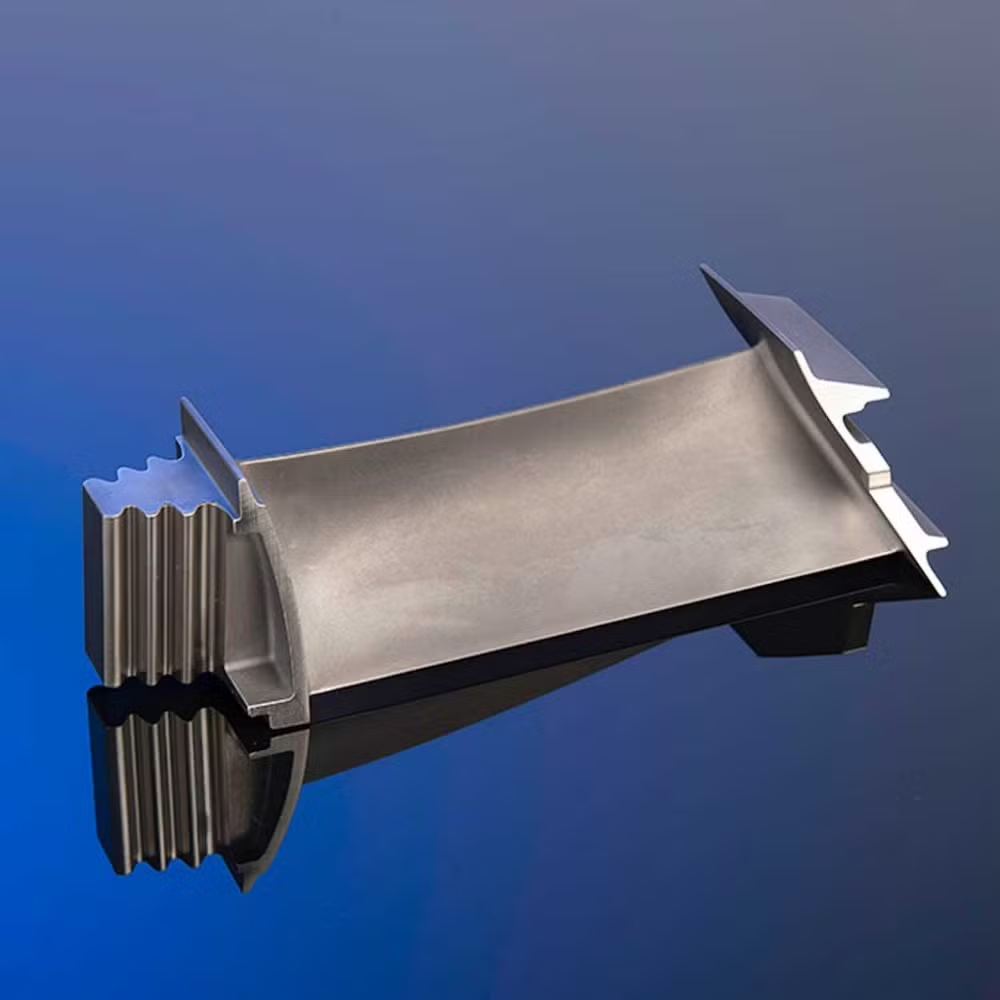
In the aerospace industry, silver brazing is used for applications that require high joint strength and pressure tightness. Silver brazing is also preferred when electrical conductivity is a requirement. The grain structure interaction of silver brazing alloys ensures that the joint has excellent electrical conductivity. Silver brazing is also used for joining non-ferrous metals, such as aluminum, and ferrous metals, such as steel.
In conclusion, silver brazing is a versatile metal joining operation that is widely used in various industries. Its cost-efficiency, joint strength, and pressure tightness make it an ideal choice for many applications. Whether it is for automotive, industrial, or aerospace applications, silver brazing provides an excellent solution for metal joining operations.