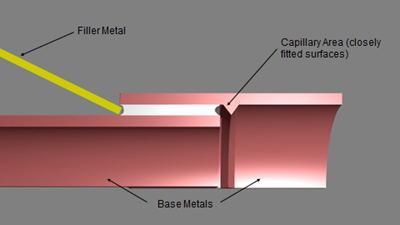










Brazing is a versatile technique used to join different metals by heating them to a specific temperature and using a filler metal that melts at a lower temperature than the metals being joined. The filler metal, often referred to as a brazing rod, flows into the small gap between the metals being joined and bonds them together as it cools and solidifies. This process requires precise temperature control, as well as the right combination of filler metal and base metals to create the ideal bond.
You may be wondering which materials are typically used for brazing. The choice of filler metal depends on the metals you’re joining and your desired bond strength. Commonly used filler metals include alloys of silver, copper, and aluminum. For instance, a common filler used for brazing steel/aluminum assemblies is an alloy of 88% Al, 12% Si. The brazing temperature varies depending upon the specific filler metal and base metals being joined, but it generally falls within the range of 600-1200°C (1100-2200°F).
While brazing, it’s crucial to consider factors such as the required bond strength, the compatibility of the filler metal with the base metals, and the heating time necessary for the filler metal to flow properly. With the right combination of these factors, you can create durable and strong brazed joints that will last for years to come.
The Brazing Process
Torch Brazing

Torch brazing is a common method used for small-scale brazing operations. In this process, a torch supplies the heat required to melt the filler material, which is typically a metal alloy with a lower melting point than the base metals. You will need to carefully control the heat to ensure the proper flow of the filler material into the joint, thanks to capillary action. To promote this action and prevent oxidation, a flux is often applied to the joint area. This method can produce high-quality brazed joints, as it provides you with a high level of control over the heating and cooling process.
Furnace Brazing

Furnace brazing is an excellent choice for larger-scale brazing operations. This process takes place in a controlled atmosphere furnace, which eliminates the need for a flux. Your base metals and filler material are placed in the furnace and heated to the appropriate temperature, allowing the filler to melt and flow into the joint. The absence of air minimizes oxidation, ensuring a clean and strong brazed joint. The temperature control in the furnace also helps prevent overshooting the melting point, reducing the risk of damaging your materials.
Induction Brazing

Induction brazing uses electromagnetic fields to generate heat within the base metals. This heat is used to melt the filler material and create the brazed joint. Like furnace brazing, induction brazing does not require the use of a flux if performed in a controlled atmosphere. The process can be very efficient and precise, thanks to the localized heating provided by the induction coil. You also benefit from the rapid heating and cooling of the materials, which can reduce distortion and improve the joint’s mechanical properties.
Dip Brazing

Dip brazing involves immersing the parts you want to join into a molten bath of filler material and then letting capillary action do the work. Preheating your parts and applying flux can help improve the process and promote the desired capillary action. One key advantage of this method is its ability to join multiple parts simultaneously, which can save time when producing large quantities or complex assemblies. However, this method does require close monitoring of the bath temperature to ensure the filler remains molten and does not exceed the melting point of the base metals.
Vacuum Brazing

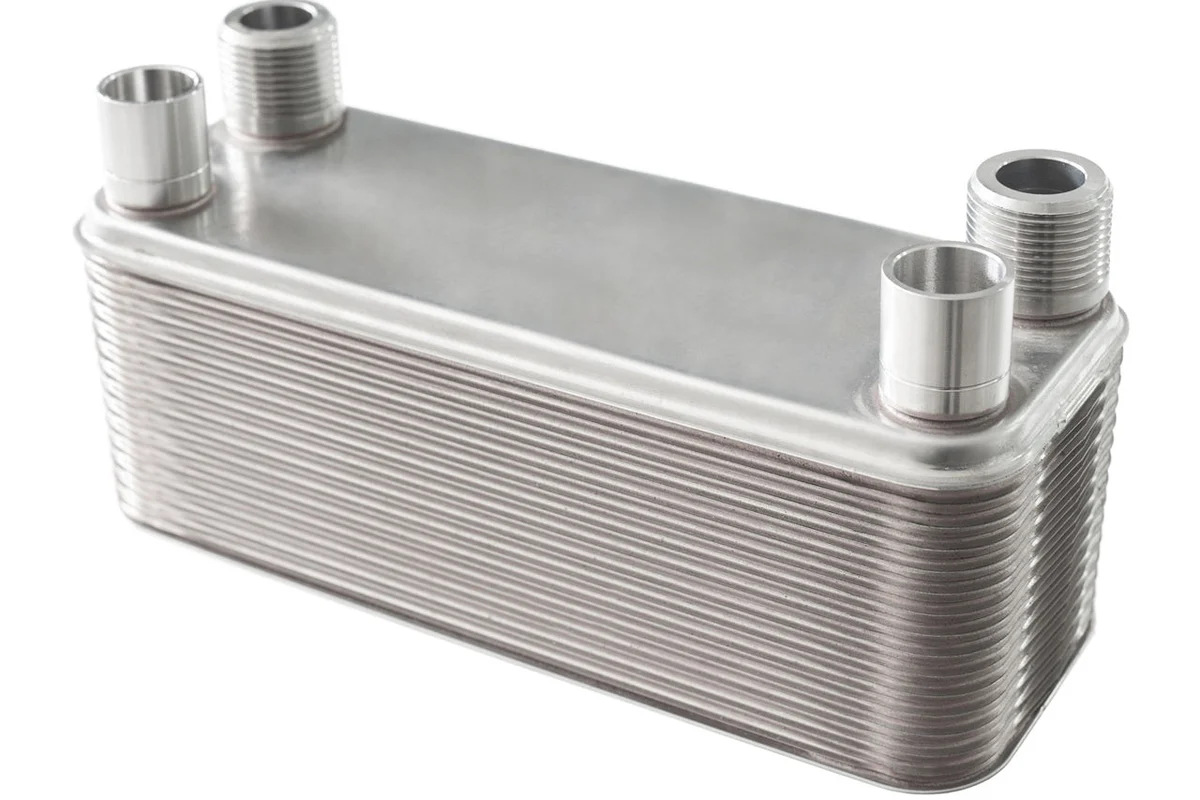
Vacuum brazing takes place inside a vacuum chamber, which eliminates the need for a flux and reduces the risk of oxidation and contamination. This method offers an incredibly clean and strong joint, as the vacuum environment ensures uniform heating and cooling. The process also allows for complex geometries and delicate materials to be brazed, as you can closely control the temperature and heating rate. Additionally, vacuum brazing can extend the life of your brazed components, as it provides an environment that promotes high-quality joints with minimal degradation.
Materials Used in Brazing
When it comes to brazing, the choice of materials plays a crucial role in determining the quality of the joints formed. Brazing is a versatile metal-joining process that involves melting a filler metal to bond two different base metals. The filler metal usually has a lower melting point than the base metals. The most commonly used filler metals include silver, copper, gold, nickel, aluminum and their alloys.
Silver-based filler metals are popular due to their excellent flow properties and high electrical conductivity. Silver brazing alloys are commonly used for brazing copper, brass, bronze, steel, and stainless steel. However, they can be expensive and may not be suitable for all applications.
Copper-based filler metals are more affordable and have excellent thermal and electrical conductivity. They are usually used for brazing brass, bronze, copper, and steel. Copper-based brazing alloys also include bronze, which is an alloy of copper and tin; and brass, which is an alloy of copper and zinc.
Nickel-based filler metals are used in applications that require high strength and corrosion resistance, such as when brazing stainless steel or Inconel. They possess excellent high-temperature properties and are suitable for joining high-alloy materials.
Aluminum filler metals are suitable for brazing aluminum and aluminum-based alloys. These alloys can also include small amounts of silicon, copper, manganese, or magnesium.
Apart from these, some filler metals may contain other elements to improve their properties. For example:
- Cadmium is often added to silver- and copper-based filler metals to lower their melting points and improve their flow properties. However, its usage has declined due to health concerns and environmental regulations.
- Phosphorus is added to decrease the melting point of copper-based filler metals and improve their flow properties. It’s commonly used in phosphor bronze and phosphor brass alloys.
- Boron enhances the strength and high-temperature resistance of brazing alloys like nickel-based fillers.
Selecting the right filler metal is essential to ensure strong, durable joints that meet the requirements of your application. It’s essential to consider factors such as compatibility with the base metals, joint strength, corrosion resistance, and cost when choosing the appropriate filler material for your brazing project.
Types of Filler Metals
When it comes to brazing, the choice of filler metal is crucial for a strong and reliable joint. There are several types of brazing filler metals available, each with its own unique composition and characteristics. In this section, you’ll learn about some common filler metals and their properties.
Copper-based filler metals are widely used in brazing because of their excellent thermal conductivity and good ductility. They typically have a melting range between 1,000 and 1,200°F (538-649°C). Copper brazing filler metals can be found in various forms, such as powder, paste, or braze alloy. While they generally provide strong joints with low residual stress and porosity, it’s important to note that some copper-based fillers may be prone to cracking.
Silver-based filler metals have a lower melting range, between 1,000 and 600°F (538–316°C), making them suitable for brazing delicate or heat-sensitive parts. They possess excellent flow properties and high strength, resulting in reliable and robust joints. One downside, however, is that silver-based fillers can be more expensive than other options.
Aluminum-based filler metals are an excellent choice for brazing aluminum and its alloys. They offer good corrosion resistance and high strength, making them ideal for creating lightweight and durable joints. These filler metals come in various alloy compositions and are commonly available in forms such as powder or paste.
Nickel-based filler metals are well-suited for brazing high-temperature or corrosion-resistant parts. They offer a high melting range, typically between 1,200 and 2,400°F (649–1316°C), along with excellent mechanical properties and corrosion resistance. They can be found in different forms, such as powder, paste, or braze alloy.
In summary, the choice of brazing filler metal depends on the materials being joined and the specific requirements of the application. When selecting a filler metal, consider factors such as melting range, corrosion resistance, and mechanical properties to ensure a strong and durable joint. And remember, you can find brazing filler metals in various forms like powder, paste, and braze alloy, making the process more versatile and adaptable to your needs.
Brazing of Dissimilar and Similar Metals
Brazing offers a versatile and effective solution for joining both dissimilar and similar metals. In this technique, a filler metal is used to form a bond by heating it above its melting point but below the melting point of the parent metals. The filler metal spreads between the joining metals, creating a strong joint once it cools and solidifies.
For dissimilar metals, such as aluminum and stainless steel, the process of TIG welding-brazing can be employed. This approach utilizes a eutectic filler metal and a modified non-corrosive flux to effectively join the two different metals together, ensuring smooth spreading behavior for the filler metal source.
When brazing similar metals, joint design plays a crucial role in the overall strength and reliability of the bond. Proper joint design ensures uniform distribution of the filler metal, allowing the joint to effectively carry loads and resist stresses. Some common joint designs used in brazing include lap, butt, and scarf joints, each providing unique strengths and characteristics depending on the desired application.
The strength of a brazed joint can be influenced by several factors, such as the type of filler metal, joint design, and brazing process used. Recent advances in brazing fillers have led to the development of new materials and techniques that can further improve the strength and performance of joints for both dissimilar and similar metals source, ultimately offering better solutions for a wide range of applications.
In conclusion, brazing is an effective technique for joining dissimilar and similar metals, with joint strength and performance largely dependent on factors such as filler materials, joint design, and brazing processes. By understanding these aspects and selecting suitable materials and designs, you can ensure that your brazed joints perform well in their intended applications.
Advantages and Disadvantages of Brazing
When it comes to joining materials, brazing is a popular method used in various industries. In this section, we’ll discuss the advantages and disadvantages of brazing while keeping in mind important aspects like strong joint formation, corrosion resistance, and ductility.
One of the main advantages of brazing is that it can create a strong joint between dissimilar materials. Brazing uses a filler metal that has a lower melting point than the materials being joined, allowing for a reliable and robust bonding without causing any damage to the base materials. This makes it particularly useful in the aerospace and automotive industries.
Additionally, brazed joints can exhibit excellent corrosion resistance. When you use the right filler material and apply the correct brazing techniques, the resulting joint can withstand harsh environmental conditions, making it suitable for applications like aircraft engines and chemical processing equipment.
Brazed joints are also known for their ductility. The filler material can be chosen for its ability to absorb stress without fracture, which is crucial in applications where components experience temperature changes, vibrations, or other mechanical stresses.
However, brazing is not without its disadvantages. One of the main drawbacks is the need for proper surface preparation and cleanliness. Any contamination or improper preparation can result in weak joints or joint failure, so it is essential to thoroughly clean the surfaces to be joined and precisely apply the filler material.
Another disadvantage of brazing is that it requires specific brazing equipment and skilled operators. The process can be complex, and achieving a proper brazed joint requires a high level of skill and experience. This can lead to higher costs for equipment and training compared to other joining methods.
In summary, brazing offers several advantages in forming strong, corrosion-resistant, and ductile joints between dissimilar materials but requires precise surface preparation and skilled operators for successful implementation.
Applications of Brazing
Brazing is a versatile process with various applications across different industries. In brazing, you can join a wide range of materials, including metals and ceramics, by using a filler metal that melts at a lower temperature than the base materials. One of the key advantages of brazing over other joining methods is its ability to bond dissimilar materials, which can be beneficial in various industries such as aerospace, automotive, and electronics.
The process of brazing involves heating the base materials to a specific temperature range and applying clearance and capillary forces to let the filler metal flow between them. The filler materials used for brazing can vary depending on the desired temperature and strength required for your specific application. It is important to select an appropriate brazing material, such as copper, silver, or aluminum, based on your project’s specific needs, taking into consideration factors like joint strength, corrosion resistance, and thermal conductivity.
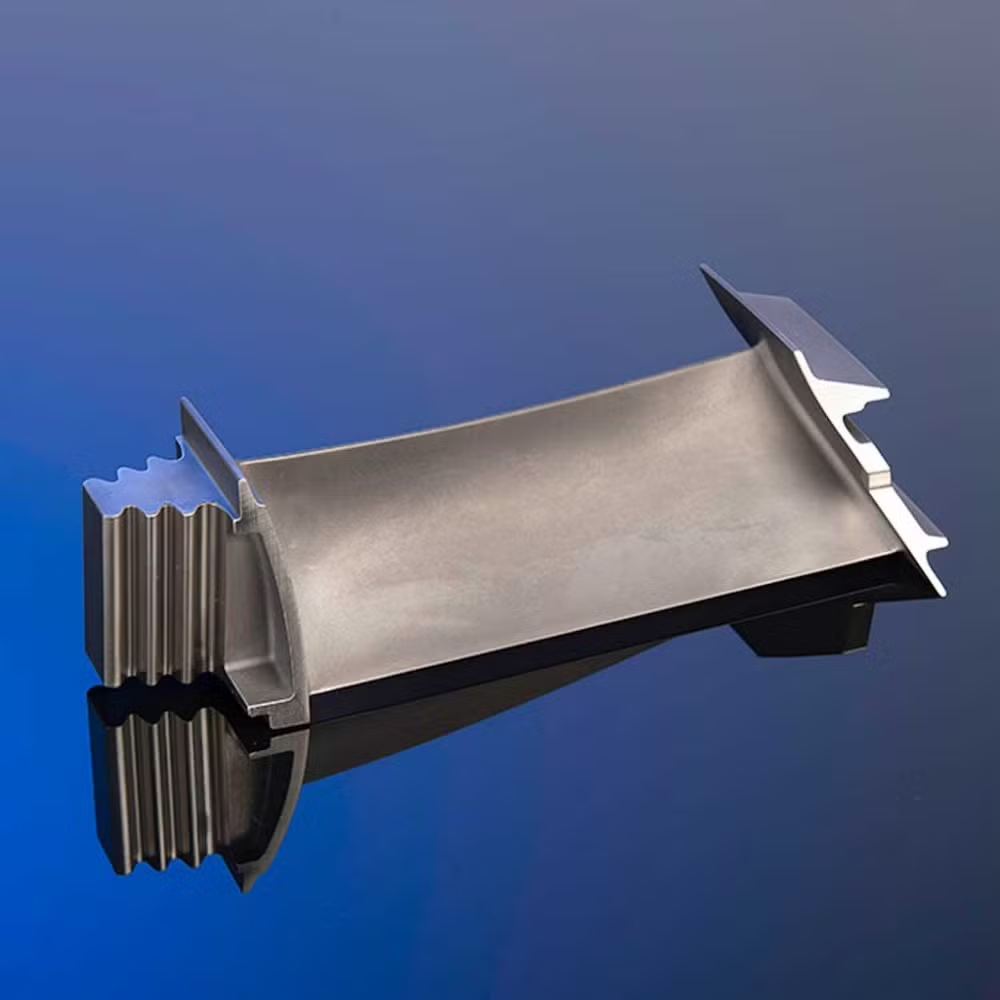
In the aerospace industry, brazing plays a vital role in bonding lightweight components and ensuring strong, reliable joints in materials exposed to high temperatures and stresses. For instance, brazing can be used to join heat-resistant materials in jet engines or create a seamless bond for fuel lines and fluid connectors. Vacuum brazing, a sub-type of brazing, is particularly useful in aerospace applications due to its ability to achieve high purity and clean joints, which are crucial in such demanding environments.
Another noteworthy application of brazing is found in the electronics industry, where it has multiple uses, from bonding components in microelectronics to the assembly of printed circuit boards. Brazing materials with excellent electrical conductivity, such as silver, can help ensure strong and reliable electrical connections. Additionally, the relatively low temperatures involved in brazing make it suitable for joining delicate, heat-sensitive components commonly found in electronic devices.
Various types of brazing, including torch brazing, induction brazing, and furnace brazing, can be applied depending on project requirements. The choice of brazing technique depends on factors like production volume, the need for automation, and the desired quality of the brazed joint. Properly optimizing the brazing process parameters, such as temperature, clearance, and flux application, can help you achieve consistent, high-quality results in your projects.
In conclusion, brazing is a versatile and adaptable process that offers numerous benefits in various industries, including aerospace and electronics. By selecting the appropriate filler materials and brazing techniques, you can effectively bond dissimilar and temperature-sensitive materials, meeting the diverse requirements of your applications.
Safety Measures in Brazing

When working with brazing materials, it is important to prioritize safety. Familiarize yourself with the necessary precautions to ensure a successful and accident-free process.
First and foremost, proper ventilation is crucial. Brazing can produce fumes and gases that may be harmful when inhaled. Ensure your workspace is well-ventilated, with an exhaust system in place to remove any harmful substances from the air.
In some cases, brazing in controlled atmospheres can help improve safety measures. For instance, brazing in SiH4-doped inert gases can lead to environment-friendly production, reducing the risks associated with handling flammable gases like hydrogen. Controlled atmospheres can also allow for the use of certain high-magnesium containing alloys in the automotive industry.
Nitrogen can be used as an alternative to hydrogen for creating a protective atmosphere. This colorless, odorless, and tasteless gas is typically safer than hydrogen, which can be highly flammable and more difficult to handle.
Although acetylene is commonly used as a fuel gas in brazing processes, it must be handled with care due to its highly flammable nature. Ensure proper storage and use of acetylene cylinders to minimize the risks of fire and explosion.
When working with any fuel gas, always be aware of the potential for leaks. Regularly inspect hoses, connections, and valves to avoid gas leaks that could lead to fires or explosions. Additionally, using appropriate personal protective equipment (PPE) is crucial to protect yourself from burns and eye injuries.
Remember to follow these safety measures when brazing, and you will be well on your way to a secure and efficient process.